OPEC+ is expected to sustain existing production levels.
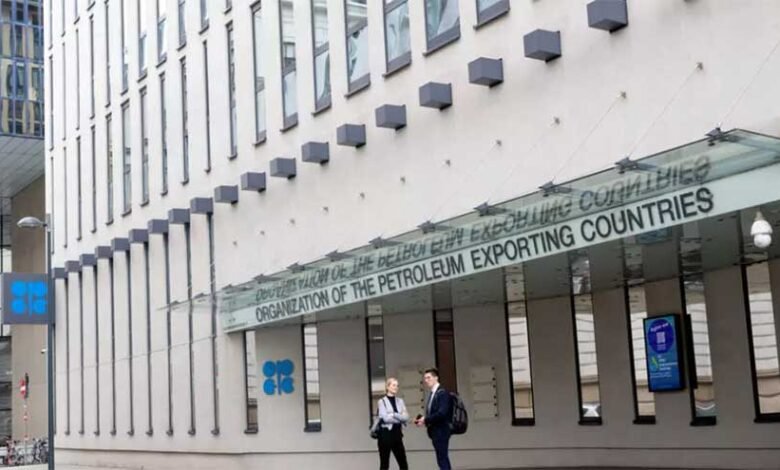
Analysts informed AFP that ministers from the Organization of the Petroleum Exporting Countries and affiliated nations (OPEC+) are anticipated to maintain existing output levels during their online session on Sunday.
The biennial ministerial conference occurs amid uncertainty regarding the future trajectory of oil prices, as traders seek indications of advancement in the current negotiations to resolve the situation in Ukraine, which may facilitate the re-entry of Russian crude into the markets.
Since April, eight principal OPEC+ countries, spearheaded by Saudi Arabia and Russia, have augmented output to reclaim market share in response to formidable competition from external producers, including the United States, Canada, and Guyana.
In early November, the V8 group declared a suspension of their output increases for the first quarter of 2026, citing anticipated diminished seasonal demand after a slight rise in December.
According to Commerzbank analyst Barbara Lambrecht, the OPEC+ ministerial meeting is “unlikely to yield any significant new catalysts for the market.”
A truce would certainly halt reciprocal assaults on energy infrastructure, and sanctions might perhaps be relaxed or entirely rescinded, thereby diminishing the risk premium now inflating oil prices, she stated.
A stalemate in negotiations may compel US President Donald Trump to reimpose sanctions on Russia’s oil sector, potentially resulting in increased oil prices, according to Arne Lohmann Rasmussen, an analyst at Global Risk Management.
The ambiguity regarding future oil prices has strengthened experts’ conviction that OPEC+ will sustain its present output levels, as previously forecasted by the coalition of eight.
During its last ministerial meeting, the group announced its intention to evaluate the maximum sustainable production capacity for each member nation, which will establish a standard for quotas starting in 2027.
Kim Fustier, an analyst at HSBC, stated, “There is speculation regarding potential discussions on baseline production levels.”
Fustier contended that it was “premature for them to be deliberating on it” and asserted that the committee would defer until 20