By 2034, Pakistan will have 90% clean energy, according to the minister
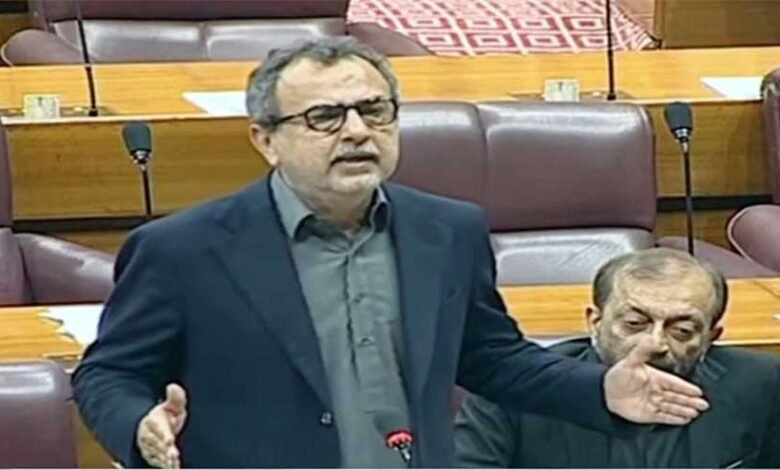
The National Assembly was told Thursday by Power Minister Sardar Awais Ahmad Khan Leghari that by 2034, Pakistan will generate 90% of its electricity from clean sources.
In response to Sharmila Faruqui’s calling attention notice in the National Assembly about the recently announced Prosumer Regulations, which replace net metering with net billing, he stated that clean energy sources accounted for 55% of the electricity produced in 2024–2025.
According to international agreements, Pakistan must raise its share of clean energy to 60% by 2030. He expressed confidence that this goal will be met this year.
According to him, the latest changes to net metering rules were made in compliance with the regulator’s legislative authority and had been discussed for a number of months.
According to the minister, the matter has been making the rounds on social media and in some media outlets for the last twenty-five days. “A resolution in this regard had also been presented in the Senate, but it was ultimately rejected,” he stated.
Leghari explained that the issue was not new and had initially come up about nine or ten months prior, when official talks started in Pakistan.
The suggestion was presented to and adopted by the Economic Coordination Committee (ECC) during the debates. But when the issue was brought before the federal cabinet for approval, the prime minister ordered that the plan be reexamined, giving them a chance to examine its foundation before moving further.
According to the minister, the net metering system was implemented in 2017 while the Pakistan Muslim League-N was in power.
The first regulations were adopted during his tenure, he added, and he was personally in charge of the ministry at the time.
Since then, the regulator has exercised its constitutional authority and changed the net metering rules four or five times, he added.
The regulator has the legal authority to update regulations, he clarified, but the government still has the option to appeal or request a review if it believes the modifications are unsuitable. “This latest amendment is probably the fourth or fifth revision since 2017,” he remarked.