During Sehr and Iftar, domestic users will enjoy a continuous supply of gas and electricity.
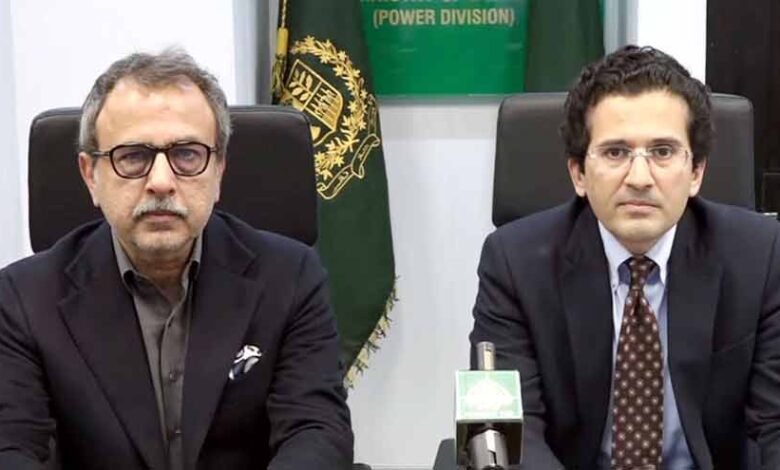
During the holy month of Ramadan, the government has declared that there will be a continuous supply of gas and electricity during Iftar and Sehr times nationwide.
Sardar Awais Ahmad Khan Leghari, the Minister of Power, and Ali Pervaiz Malik, the Minister of Petroleum, made the announcement during a news conference in Islamabad on Wednesday.
According to Awais Leghari, the decision was made in response to Prime Minister Shehbaz Sharif’s particular directives to help people all around the nation.
He stated that following a thorough analysis of the issue, the Petroleum and Power Divisions had made final plans to guarantee that there will be no gas or electricity outages during Iftar and Sehri times nationwide.
“The government has decided that the electricity supply will remain uninterrupted during these hours, even in high-loss or technically sensitive areas,” the minister stated.
In order to minimize any disruption to the public, he added, prompt action will be made to restore the power supply in the event of a significant technical issue.
See Also: Announced working hours for federal government departments in Ramadan 2026
According to Awais Leghari, a dedicated control room has been set up to efficiently keep an eye on the situation and manage all of the nation’s electrical feeders.
He said that if customers have any issues with the electrical supply, they could file a complaint at helpline number 118, and that the issue will be resolved quickly.
The government has made the necessary arrangements in consultation with gas pipeline firms to guarantee gas delivery at maximum pressure from 3 a.m. to 10 p.m., according to remarks made by Minister for Petroleum Ali Pervaiz Malik. stated that in order to increase supply reliability, additional gas volumes have also been planned based on lessons learnt from the previous winter.
According to the minister, both gas firms’ head offices now have dedicated monitoring control rooms, and regional offices have been instructed to maintain stringent monitoring, particularly in the distribution network’s tail-end locations, to ensure a steady supply of gas.