Chief Minister Afridi advocates for the acceleration of the household solarization initiative.
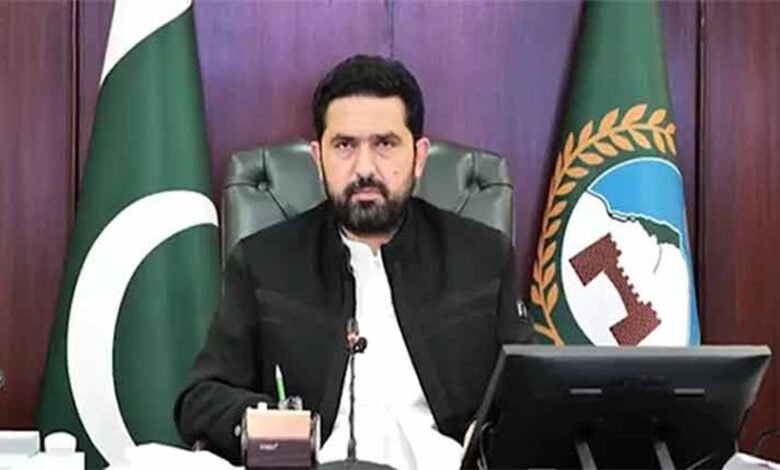
Chief Minister of Khyber Pakhtunkhwa, Sohail Afridi, on Friday instructed authorities to accelerate preparations for the implementation of the provincial government’s household solarization initiative, designed to supply solar systems to qualifying families throughout the province.
During a review meeting at the Chief Minister’s House, he stated that the solarization of residences belonging to eligible families was a premier welfare program of the provincial government aimed at alleviating public hardship.
He emphasized that the requisite formalities must be finalized promptly to facilitate the earliest possible implementation of the project.
The meeting provided a detailed briefing on the project’s development to date. Authorities announced that the initiative will deliver solar units to 130,000 eligible homes throughout Khyber Pakhtunkhwa, encompassing the united tribal regions.
The briefing indicates that 65,000 houses in the first category will receive solar systems at no cost, while an additional 65,000 households in the second category will obtain solar units at a 50% discount with manageable installment plans.
Participants were notified that the project’s PC-I document has been finalized and will be submitted for approval at the forthcoming meeting of the Provincial Development Working Party (PDWP).
The conference was informed that a distinct solarization initiative for the amalgamated districts is being progressed under the Accelerated Implementation Programme (AIP).
The project aims to supply solar systems to an additional 120,000 eligible families in the amalgamated districts and is anticipated to be presented to the provincial cabinet for final approval at its upcoming meeting.
Officials elaborated that the solarization initiatives will distribute quotas to districts based on population size, with precedence granted to widows, individuals with disabilities, temporarily displaced persons, households impacted by natural disasters, other at-risk groups, and inhabitants of off-grid regions.