LHC states that if the timing is not mentioned, the wife is entitled to dower on demand.
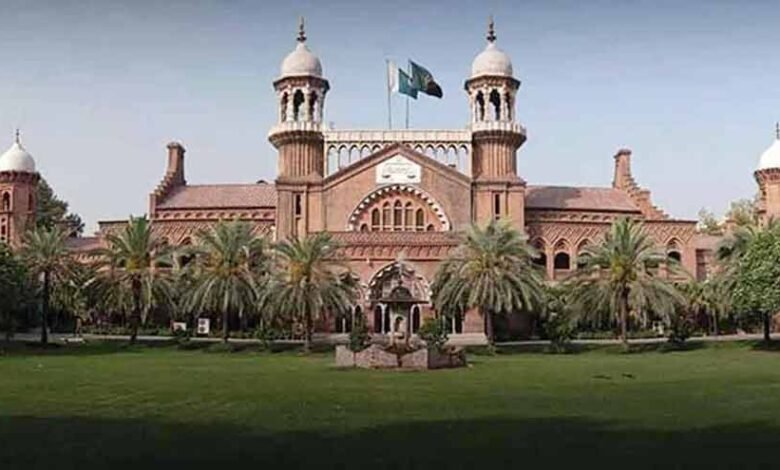
In a significant decision pertaining to the payment of dower (mehr), the Lahore High Court ruled that the husband must pay it upon the wife’s request if the nikahnama does not specify a deadline for payment.
A female applicant’s request for payment of her dower was granted by the court, which also overturned the trial court’s ruling denying her this privilege.
The Lahore High Court’s Justice Abid Hussain Chattha rendered a six-page written decision regarding Fatima Bibi’s plea.
According to the ruling, the petitioner had sued her husband for maintenance, dowry, and the recovery of five tolas of gold as dower.
The ruling stated that the family court had mandated Rs 5,000 in maintenance each month.
The family court rejected the dowry allegation and ordered a monthly maintenance of Rs5,000 in addition to the payment of dower, according to the ruling.
In the trial court, both parties contested the family court’s ruling, which maintained support, mandated a partial dowry or payment of Rs. 250,000, and rejected the dower claim.
The petitioner subsequently appealed the trial court’s verdict to the Lahore High Court, claiming that her legal rights had been violated and that the dower decision was improper.
The court noted that the woman is still entitled to dower even if the husband and wife are still married.
It determined that the trial court erred in its dower determination and upheld the family court’s order, partially permitting