Fuel crisis: government thinks of a smart lockdown
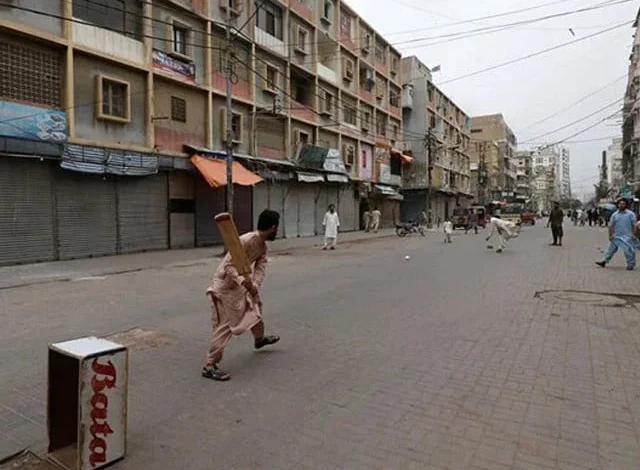
Sources stated on Saturday that the federal administration has finished a detailed plan to put in place a “smart lockdown” across the country, along with stricter austerity measures to reduce energy use and deal with the worsening fuel crisis caused by rising tensions in the Middle East.
After talking with important people, an official announcement is expected.
Authorities are trying to keep the economy going while substantially lowering the demand for gasoline and energy. The suggested approach mixes targeted limitations on public activity with structural changes in how workplaces work.
The plan says that retail malls and markets will close at 9:30 p.m. and that wedding halls can only hold 200 people at a time. They will also have a one-dish policy and close at 10 p.m. The rules are meant to keep big groups from getting together and lower energy use at night.
Also, a hybrid working model is a big part of the plan. Government offices that are open five days a week would work three days in the office and two days from home. Service departments that are open six days a week would work four days in the office and two days online.
A 50% rota system is scheduled to be put in place to cut down on commuting and operating costs even more. Digital attendance tracking and weekly audits will make sure that everyone follows the rules. For private offices, similar steps are being looked at, where up to 50% of employees may have to work from home.
There have also been calls for strict limits on the usage of official vehicles, with penalties including having to pay for gas and maybe having the vehicle taken away for breaking the rules. Authorities are also looking into shared transportation options for high-ranking officials to cut down on fuel use.
Saving energy is still a crucial part of the agenda. Some of the ideas being looked at are a restriction on using air conditioners in government offices before 10:30 a.m. and a goal to switch at least half of public sector buildings to solar energy within 60 days.
There are also talks of making bigger changes to the budget, such cutting employees’ electricity and fuel allowances, changing the way property and vehicle transactions are taxed, raising toll taxes, and giving people incentives to use public transportation, like reducing train fares.
Pakistan is under a lot of economic pressure from global energy markets, which is why the move is happening.
International crude oil prices have risen above $100 per barrel because of continuous geopolitical concerns. This has made it much more expensive for economies that depend on energy to import it. The government raised the pricing of fuel and high-speed diesel earlier this month. Now, petrol costs more than Rs321 per liter and diesel costs more than Rs335 per liter.
Officials warn that Pakistan’s high reliance on imported fuel makes it especially vulnerable to shocks from outside the country. Rising oil prices are projected to put pressure on the country’s foreign exchange reserves and deepen the current account deficit.