In the case of the Dadu Triple murder, the court frees all of the suspects.
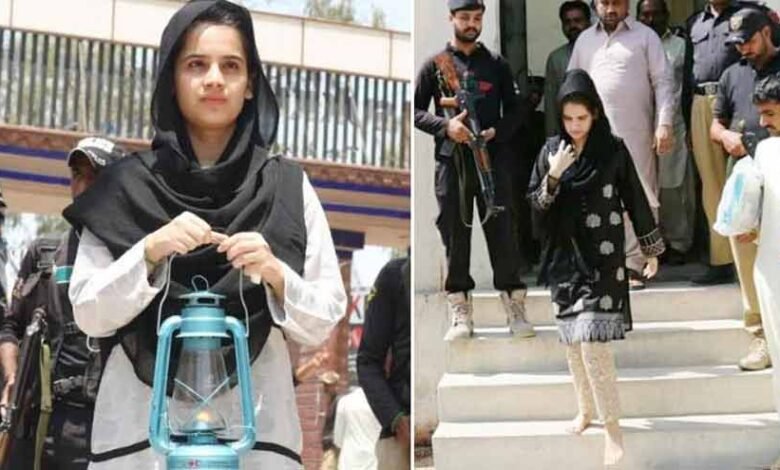
In the high-profile triple murder case involving Umme-Rubab Chandio’s grandfather, father, and uncle in Dadu, the verdict has been announced, and all of the defendants have been found responsible for their deaths.
After 450 hearings in the case concerning the murder of Umm-e-Rabab Chandio’s family members, including her grandpa Karamullah Chandio, father Mukhtiar Chandio, and uncle Qabil Chandio, the court had decided to postpone its verdict until the following day.
Following the directions of the Sessions Judge, Section 144 was implemented over the whole Dadu district. This was done because of the sensitive nature of the ruling.
Heavy security measures were taken by the Dadu police, which included the deployment of over 700 troops (including six DSPs, 33 SHOs, and over 700 personnel) inside the court premises and on main roadways.
Individuals who were not affiliated to the case as well as members of the media were not permitted to enter the courtroom. In addition, special security preparations were established in order to accompany the petitioner Umm-e-Rabab Chandio and the complainant Parvez Chandio with them to the courtroom.
It is important to keep in mind that Umme-Rubab Chandio’s grandfather, father, and uncle were all murdered on January 17, 2018, in Mehar. This event is referred to as the triple murder. The four accused individuals who were currently being held in custody were Zulfiqar, Ali Gohar, Murtaza, and Sikandar Chandio. On the other hand, the MPA Sardar Ahmed Chandio, Burhan Khan Chandio, Sattar Chandio, and then SHO Karim Chandio were released on bail.
All of the individuals who were implicated in the case were found not guilty by Judge Hassan Ali Kalwar of the Model Criminal Trial Court in Dadu, who announced the result during the proceedings.
It is important to remember that Umme-Rubab Chandio came to the attention of the public when she protested the delay in registering a case against the defendants in the triple murder by appearing in a local Dadu court without shoes on.
At that time, Mian Saqib Nisar, who was serving as the Chief Justice of Pakistan at the time, announced on his own initiative that he had ordered the issue to be resolved within a period of three months.