Farmers criticize the “inadequate” subsidy
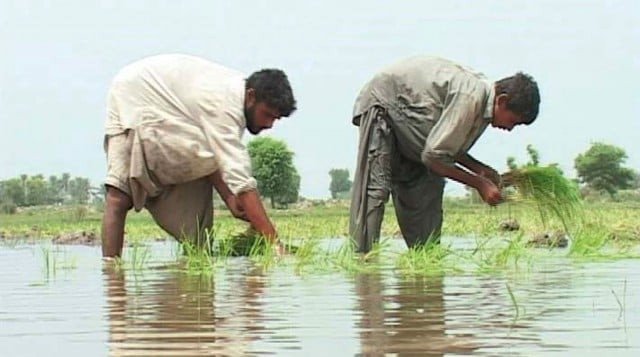
A lobbying group for farmers, the Sindh Abadgar Board, has bemoaned what it claims is an inadequate amount of subsidy provided by the provincial government to Sindh’s small farmers. Small farmers are being offered a pitiful Rs1,500 per acre, according to a board meeting convened by Mahmood Nawaz Shah in Hyderabad on Sunday.According to a statement released following the meeting, “The Hari Card is a positive move by the government, but it does not cover even 20% of the province’s small growers.” “The government seems to be devoid of the ground realities and it has absolutely forgotten that even before the current back breaking increase in the diesel prices, agriculture was [already] in crisis.”
The gathering said that despite nearly a decline in production and natural disasters over the past two years, farmers had continued to receive low prices for their crops. Farmers stated that there were numerous instances of sharp drops in crop prices, with wheat being the most affected by price manipulation.
The government set the wheat crop pricing at Rs4,000 per 40 kg following the 2022 floods that devastated a large portion of Sindh and Balochistan. Two years later, in early 2024, the price dropped sharply to Rs2,200 per 40 kg when the government halted wheat procurement to comply with strict International Monetary Fund requirements.
This year, the government started purchasing wheat to stock its warehouses, although the price was set at Rs3,500 for the same quantity that was selling for Rs4,000 or more in 2022–2023. According to the SAB, wheat growers are receiving an even lower price of Rs3,200 from traders on the open market for their crop.The government imports agricultural commodities at harvest time and stops exports while allowing inputs to rise with no institutional support in production, seed, technology, and research and development, which the farmers believe is the primary cause of this crisis, the board bemoaned. The SAB claimed that the section’s mechanization and decline in agricultural investments supported their claim that the government’s policies were flawed.
The board insisted that the Rs. 1,500 per acre subsidy, which is only available to a tiny portion of small farmers registered with the provincial government, will not mitigate the negative economic effects of the gasoline price increase on agriculture and commodities prices. The farmers anticipated that the consequences of the Iran war would increase crop costs by Rs 12,000 per acre.
More over 90% of Sindh’s 2.6 million farming households are small farmers, according to the SAB. However, only about 330,000 farmers have received the Benazir Hari Card. The farmers advocated for “pragmatic measures” that are specifically designed to save the agro sector from becoming strangled. Reducing taxes and levies, as well as ending hoarding and manipulating input prices, are some of the actions that are now necessary. Taha Memon, Masroor Soomro, Imran Bozdar, Dr. Bashir Nizamani, Syed Nadeem Shah, and other farmers attended the conference.