S&P Global expects State Bank to remain cautious on monetary policy despite economic benefits
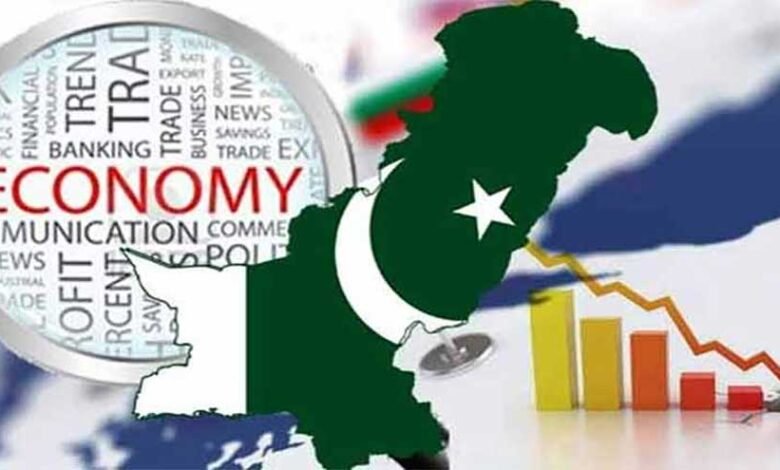
Pakistan’s improving economic indicators are unlikely to trigger an immediate shift in monetary policy as inflation and external risks continue to weigh on the outlook and the State Bank of Pakistan (SBP) is expected to maintain a cautious approach, according to a new report by S&P Global Market Intelligence.
S&P Global Market Intelligence’s recent assessment indicates that the central bank’s decision to hold the policy rate at 11.5% was a wise move to safeguard macroeconomic stability.
The report stated Pakistan’s economy has shown indications of recovery but inflation remains over the central bank’s intended range, restricting the possibility for significant monetary easing.
S&P Global has warned that rising tensions in the Middle East, global commodity price volatility and the increasing impact of climate change continue to pose major risks to Pakistan’s economic prospects.
According to the analysis, Pakistan’s economy is expected to increase by 3.5 percent for the fiscal year 2027, aided by strengthening macroeconomic conditions and a stronger external sector performance.
It also estimates that the country’s foreign exchange reserves might touch $19.5 billion by December 2026, mostly backed by resilient workers’ remittances and reasonably limited current account deficit.
Higher remittance inflows are likely to enhance Pakistan’s external financing position and help reduce balance of payments concerns, S&P Global said.
S&P Global Principal Economist Ahmed Mobeen commented on the prognosis, stressing the importance of fiscal discipline, especially considering the country’s debt service obligations.
Economic conditions have improved, but “the State Bank will likely continue to give priority to price stability and watch closely for global and domestic risks before making any further policy changes”, he said.