Senate Standing Committee calls for review of MDCAT
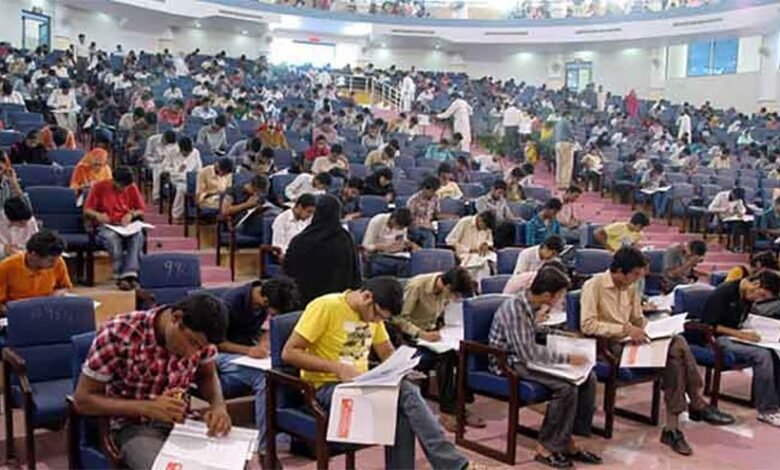
A Senate Standing Committee on Tuesday called for a review of the Medical and Dental College Admissions Test (MDCAT) and expansion of admission slots for medical students amid concerns that tens of thousands of students are unable to get admission despite qualifying for the MDCAT every year.
MDCAT is a mandatory entrance exam for students seeking admission to public and private medical and dental schools in Pakistan, and its medical education and professional standards are regulated by the Pakistan Medical and Dental Council (PMDC). The country offers around 22,300 annual seats for students seeking admission to Bachelor of Medicine, Bachelor of Surgery (MBBS) and Bachelor of Dental Surgery (BDS) programs in public and private medical universities.
The Senate Standing Committee on Health, chaired by Senator Amir Chishti, reviewed a report on proposed reforms to the country’s medical education system, which showed that around 93,000 MDCAT-eligible students fail to gain admission to medical colleges every year. Senator Anusha Rahman, who presented the report, said: “A long-term strategy is needed, which aims not only to meet the health needs of the population but also to position Pakistan as a major exporter of qualified medical professionals.” “PMDC should review its current medical quota limit of 22,300 seats per year. This expansion will create economies of scale and help reduce rising medical training costs.”
The report was written by members of the Senate committee on behalf of Chairman Chishti in response to concerns about medical education in Pakistan. The committee recommended a number of structural reforms, including the removal of the current cap of 22,300 annual physician seats and a review of the current 50 percent weightage given to MDCAT in admissions.
He called for increased oversight of foreign medical institutions in Pakistan, including compiling and publishing a list of non-compliant medical and dental schools. During the meeting, PMDC Chairman Dr Rizwan Taj assured the committee that the council would consider the challenges faced by aspiring medical students in light of the committee’s recommendations.
However, Major General Muhammad Suhail Amin, chairman of the MDCAT reform monitoring committee established by the PMDC in 2024, warned that it would be difficult to increase the capacity of medical colleges to maintain existing standards. “How can we create new capacity while maintaining the level of doctor training in the country? It is not easy to open new private medical schools given the costs involved,” he said. Amin said private medical schools are difficult to regulate because “some universities enjoy strong support from powerful circles.”
Former federal health minister Dr. Nadeem Jan said Pakistan urgently needs to increase the number of doctors, but that expansion should not come at the expense of educational standards.
“The MDCAT system needs to be improved, but there should be no compromise on quality. There is a need for a balance between quality and quantity,” Jan said.
At the conclusion of the session, Senator Chishti directed PMDC to ensure “meaningful collaboration” with private medical colleges, stressing that any expansion in medical education must go hand in hand with strict regulatory enforcement.