A five-year plan to reduce imports of edible oil is developed by the Research Council.
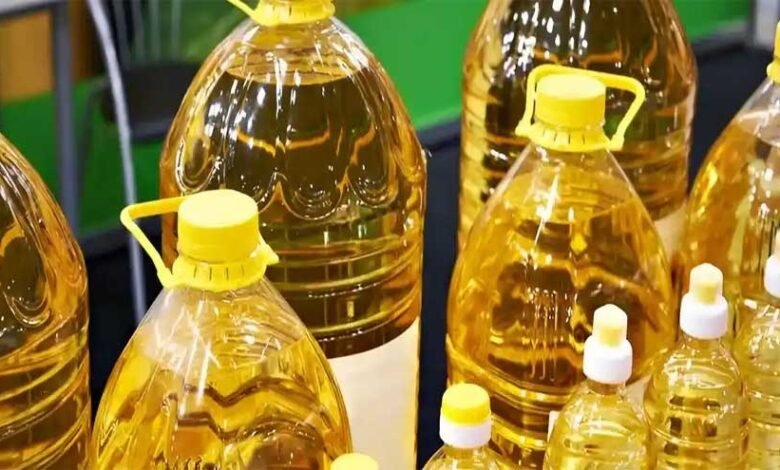
A five-year project for Rs1.65 billion has been suggested by the Pakistan Agricultural Research Council (PARC) to encourage oilseed farming and lessen the nation’s dependency on imported edible oil.
The National Crop Diversification and Import Substitution Program (Oilseeds) is scheduled to be implemented nationwide from July 2026 to June 2031, according to government papers that Wealth Pakistan has access to.
Through climate-smart agriculture, contemporary seed systems, farmer training, and enhanced value chains, the effort aims to increase domestic oilseed output.
In order to assist growers in adopting contemporary practices, the program will create farmer field demonstration hubs, digital advisory systems, and cluster-based crop diversification.
In order to increase the yields and profitability of priority oilseed crops, the strategy also calls for bolstering the national seed system through improved breeder, foundation, and certified seed production.
In addition to encouraging climate-resilient crops, contemporary farming techniques, and sustainable land and water use, the program is anticipated to contribute to import substitution by lowering edible oil imports by roughly 10 to 20 percent. It is in line with national priorities for agricultural innovation and growth.
Six oilseed crops and ten to fifteen production clusters around Pakistan would undergo national zoning as part of the anticipated deliverables. It is anticipated that between 20 and 50 operational model farms would be established, and cluster expansion will convert roughly 100,000 acres to oilseed production.
Along with training programs for 2,000 to 5,000 farmers and extension agents, the project also aims to build 50 to 100 demonstration hubs, each of two to five hectares.
The plan also calls for establishing 10 to 15 seed multiplication farms, increasing certified seed output to 2,000 to 5,000 tons, and evaluating about 6,000 germplasm accessions. To improve certified seed supply and industry connections, five to seven public-private partnership (PPP) partnerships are also proposed.
The initiative is anticipated to be crucial in raising domestic oilseed yield and assisting Pakistan in reducing the amount of edible oil it imports by using locally produced substitutes.