China supports Pakistan’s initiative for mediation.
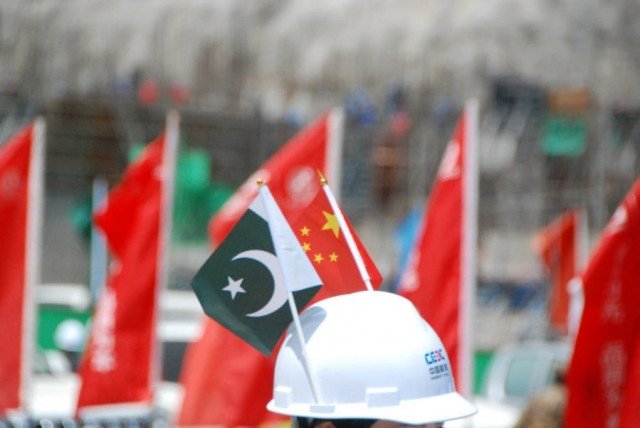
On Friday, China endorsed Pakistan’s diplomatic initiatives to facilitate peace in the Middle East, emphasizing that only diplomacy can forestall further escalation and prevent broader regional repercussions.
Chinese Foreign Minister Wang Yi expressed his nation’s support in a phone chat with Deputy Prime Minister and Foreign Minister Ishaq Dar, as Islamabad escalates backchannel diplomacy to alleviate tensions between the US and Iran.”Commencing peace negotiations is a formidable endeavor; however, it remains the sole feasible avenue to prevent additional casualties and losses,” Wang stated, as per an official Chinese report.
His statement was made as Pakistan has become a key facilitator of indirect negotiations between the United States and Iran.
Following days of speculation, Islamabad confirmed on Thursday that it has presented a 15-point US plan to Tehran aimed at concluding the conflict.
Steve Witkoff, the US President’s envoy for the Middle East, also affirmed that Pakistan was serving as a mediator between Washington and Tehran.
In light of these events, the Chinese Foreign Minister emphasized that discussion will aid in preventing the escalation of the confrontation and reinstating normal passage in the strategically crucial Strait of Hormuz.
Dar informed Wang about the developing situation and articulated Pakistan’s viewpoint, emphasizing Islamabad’s continuous endeavors to enable indirect communications between the conflicting parties. He expressed gratitude to China for supporting Pakistan’s mediation efforts and underscored that an immediate ceasefire and resumption of negotiations were mutual goals.Dar emphasized that the present moment is pivotal for the resumption of peace negotiations, encouraging the world community to motivate Washington and Tehran to reengage in dialogue.
He observed that Pakistan and China maintained “aligned positions” about the crisis and expressed optimism that the two nations would collaborate closely to contribute positively to the cessation of hostilities.
Wang reiterated Beijing’s position, characterizing China and Pakistan as “strategic partners of mutual trust,” and asserted that both nations uphold a “objective and just” posture regarding the issue. He acknowledged Pakistan’s “unwavering efforts” to alleviate tensions and reaffirmed China’s endorsement of Islamabad’s ongoing mediation.
He stated that China was prepared to improve strategic communication with Pakistan and collaborate to foster peace, protect maritime lanes, and secure regional stability.
Both parties concurred on the necessity of an immediate ceasefire, the reinstatement of peace negotiations, and the safeguarding of non-military objectives, while endorsing a prominent role for the United Nations in conflict resolution.
Independently, Dar conversed with Egyptian Foreign Minister Badr Abdelatty, during which the two officials exchanged perspectives on the regional circumstances and reiterated the significance of discussion, prudence, and collaborative endeavors to foster peace.
Recent diplomatic initiatives highlight Pakistan’s emerging position as a possible mediator in a confrontation that threatens to escalate into a wider regional war, as global powers increasingly support efforts to facilitate negotiations between the US and Iran.
The foreign minister conducted a telephone call with United Nations Secretary-General António Guterres. “Dar stated on X that we discussed the developing circumstances in West Asia and their ramifications for global peace and security.”