During the 2025 season, Pakistan’s cotton industry showed indications of recovery.
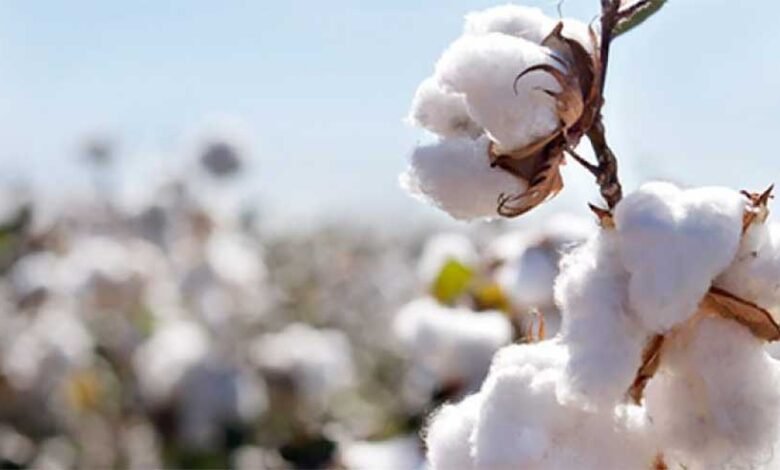
According to the Pakistan Business Forum (PBF), improved crop inflows and consistent domestic absorption helped Pakistan’s cotton industry show definite signs of recovery during the 2025 season. National cotton arrivals reached about 5.43 million bales, representing an 18 percent year-over-year increase compared to the same period last year.
A news release issued here on Saturday stated that aggregated numbers up to December 31, 2025, showed that cotton arrivals were around 5.43 million bales, as opposed to approximately 4.55 million bales during the same period last year.
PBF South Punjab Chairman Malik Talat Suhail stated that while supplies from Sindh stayed steady, the improvement was mostly caused by increased arrivals from Punjab’s major cotton-growing regions.
He said that while factory-held stocks stayed below half a million bales, the rise in arrivals also led to increased pressing activities, suggesting that the local market was absorbing the majority of the cotton.
The season’s limited exports demonstrated a cautious strategy meant to guarantee domestic supply.
The Forum stated that domestic cotton production was still insufficient to meet national demand, notwithstanding the encouraging trend. An estimated 14 to 15 million bales of cotton are needed annually for Pakistan’s textile and spinning industries to run effectively.
According to Talat Suhail, despite the better results in 2025, only a portion of this need was met by local production, making cotton imports inevitable.
He went on to say that manufacturing costs and foreign exchange resources were still under pressure due to this structural mismatch.
The Forum emphasized that short-term solutions would not be sufficient to close this gap; instead, long-term and continuous governmental assistance would be needed. It stated that as Pakistan’s cotton productivity was still below its potential, increasing yield per acre should continue to be a top focus.
Without increasing the farmed area, productivity could be increased with better availability to high-quality seed, efficient pest control, and increased water efficiency.
PBF also emphasized the necessity of easing cotton growers’ financial strains. Given that cottonseed and oil cake are significant revenue streams for growers, it was suggested that examining the current 18 percent sales tax on these byproducts could enhance farm-level economics.
According to the Forum, such fiscal measures along with agronomic advancements could promote more cotton production and support better output in the 2026 season, even though they are not a perfect solution.