Fears of an increase in flour prices are raised by the government’s delayed supply of wheat.
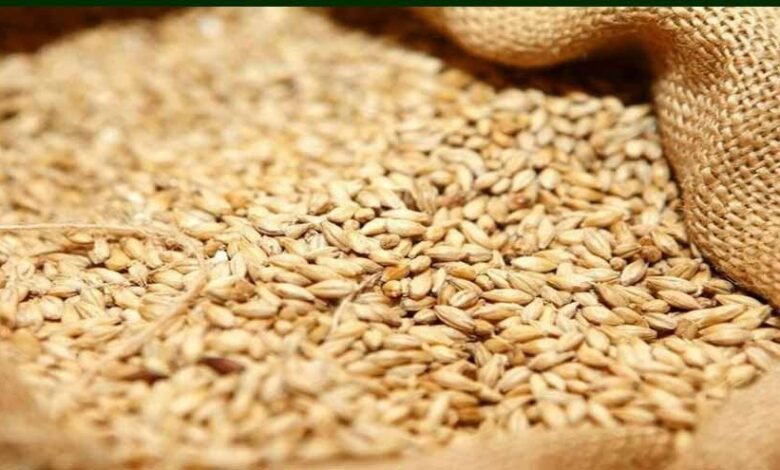
There are no indications that Karachi’s wheat and flour pricing issue will abate, as delays in the government’s wheat supply have raised fears of additional price increases.
Abdul Junaid, the chairman of the Flour Mills Association, claimed that government-supplied wheat is of low nutritional value and is combined with recently harvested wheat to create flour that is now out of reach for the general populace. He continued by saying that flour costs had already increased around the city due to the Sindh government’s delays in providing wheat to flour mills.
He asserts that the Karachi wholesale and retail markets are currently at risk of additional price increases. He affirmed that the delayed wheat delivery to nearby flour factories has been formally communicated to the Karachi Commissioner.
Abdul Junaid added that in order to guarantee the prompt delivery of wheat, the association and the DIG Traffic had also had a crucial meeting. He cautioned that increased flour costs are a direct result of ongoing delays in government wheat supply.
It is currently unable to provide cheaper flour in the wholesale market since old wheat costs Rs80 per kilogramme and newly added wheat costs about Rs110 per kilogramme.
The Karachi Commissioner is anticipated to release a new official price list for flour in the next day or two, according to Rauf Ibrahim, Chairman of the Wholesale Grocers Association. He did note, however, that during the previous four months, the price of flour has increased from Rs55 to Rs110 a kilogramme on the open market.
He also mentioned that Khyber Pakhtunkhwa and Balochistan are receiving wheat from Sindh, which may raise demand even more. Open market wheat prices could increase from Rs. 110 to Rs. 125 per kilogramme if the current trend continues.
Additionally, Rauf Ibrahim cautioned that the cost of fine flour in Karachi would reach Rs. 145 per kilogramme, adding to the burden already placed on customers by growing food prices.