In a broad effort to save petroleum, stores will close at 8 p.m. nationwide, with the exception of Sindh.
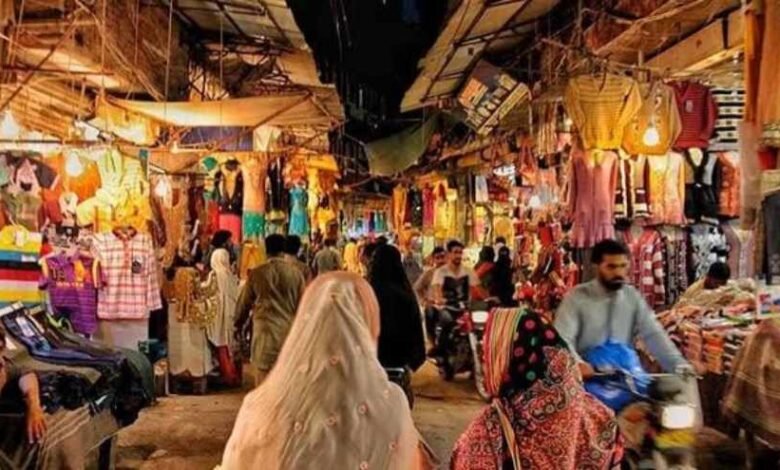
In response to rising worldwide fuel prices brought on by the ongoing crisis in the Middle East, the federal government has announced extensive energy conservation measures, requiring markets and shopping centers to close at 8 p.m. throughout most of the nation starting on April 7.
Prime Minister Shehbaz Sharif presided over a high-level review meeting that finalized the decision, which focused on austerity measures, energy conservation, and petroleum price. Punjab, Khyber Pakhtunkhwa, Balochistan, Islamabad Capital Territory, Gilgit-Baltistan, and Azad Jammu and Kashmir would all be subject to the limitations; Sindh has not yet publicly confirmed its adoption pending consultation.
All markets, shopping centers, department stores, and retailers selling everyday goods will close at 8 p.m. in the impacted areas, according to an official announcement from the Prime Minister’s Office. However, divisional headquarters in Khyber Pakhtunkhwa would be able to stay open later, with marketplaces allowed to stay open until nine o’clock at night.
The food and hospitality industry is subject to several regulations; bakeries, restaurants, tandoors, and other eateries must close by 10 p.m. The same deadline will apply to wedding halls as well, and private home ceremonies would not be permitted after that.
To guarantee continuous access to vital healthcare services, pharmacies and medical stores have been exempted from the new regulations.
According to the administration, the decisions were made after consulting with provincial authorities in order to guarantee consistent execution while taking regional administrative factors into account. Officials said Sindh would make its position known following internal discussions.
In an effort to alleviate the burden on residents impacted by rising gasoline prices, the prime minister also declared that intercity public transportation in Gilgit and Muzaffarabad will be free for a month.
The most recent actions are taken in the face of growing economic strain brought on by rising oil prices worldwide, which have increased as a result of a protracted Middle East conflict. The crisis started on February 28 when Israel and the United States jointly attacked Iran, setting off a larger regional conflict.
Iran retaliated by attacking US military facilities in the Gulf and obstructing shipping via the Strait of Hormuz, a vital route for the world’s oil supply. Because of the ensuing supply issues, energy costs have skyrocketed globally.
These interruptions have had an immediate effect on Pakistan; on March 6, the government announced an increase in petrol and diesel prices of Rs55 per litre. Petrol prices increased by Rs137.23 to Rs458.41 per litre in April, while diesel prices increased by Rs184.49 to Rs520.35 per litre, continuing the rising trend.
Federal ministers blamed the sharp increase on demands from the conflict-related global market. Soon after, Prime Minister Shehbaz Sharif declared that the petroleum duty will be lowered by Rs80 per litre, resulting in a one-month temporary drop in petrol prices to Rs378 per litre.
The administration has implemented a more comprehensive austerity framework in addition to price adjustments, which includes a projected four-day workweek, fuel allowance cutbacks, and a 20% reduction in government department spending.
Similar policies have already started to be implemented by provincial governments. As part of their own energy-saving measures, Khyber Pakhtunkhwa and Balochistan had earlier ordered the early closing of eateries, wedding venues, and marketplaces.