In a countrywide referendum, people in Bangladesh support extensive constitutional amendments.
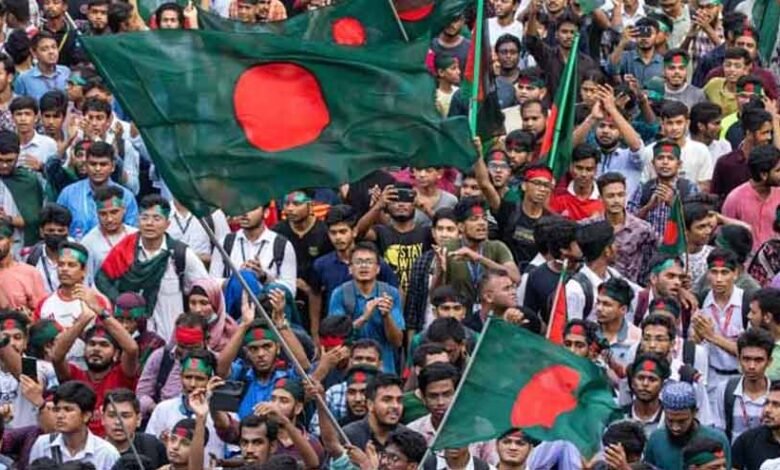
The 13th parliamentary elections in Bangladesh coincided with a national referendum in which 67 percent of voters supported constitutional revisions, marking a significant political shift in the nation.
Vote counting is still in progress after the general elections, which were held eighteen months after a student-led rebellion overthrew the two-decade authority of former Prime Minister Sheikh Hasina, who is affiliated with India.
33% of voters voted against the proposed reforms, while 67% of voters supported them, according to preliminary and unofficial statistics.
In the referendum, voters had to select “Yes” or “No,” a choice that would likely influence Bangladesh’s future political and constitutional structure.
A reform package intended to carry out the goals of the July 2024 public movement, the proposed July National Charter, was the main focus of the referendum.
In addition to avoiding the concentration of power in the hands of one person or organization, the charter aims to improve social justice, democracy, and governance.
The BNP of Bangladesh is expected to win “sweeping” elections.
Muhammad Yunus established the National Consensus Commission, which consulted with key political groups before preparing the text; nevertheless, the Awami League was not involved in the process.
Four significant constitutional amendments were among the almost thirty revisions on which voters were invited to cast their votes.
Creating new constitutional institutions, making parliament a bicameral legislature, and requiring the Senate’s permission before any constitutional amendments can be passed are some of the main suggestions.
The charter also suggests extending presidential powers and restricting the prime minister’s term in order to maintain a greater distribution of power and avoid political concentration.