India rescinds directive to preinstall cybersecurity application on smartphones following public backlash.
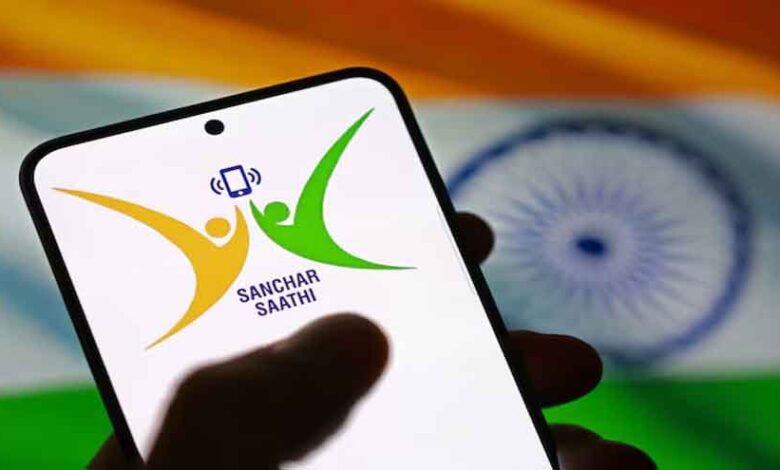
On Wednesday, the Indian government rescinded an order mandating smartphone manufacturers to preinstall a state-operated cybersecurity application on all new smartphones, following backlash from legislators, privacy campaigners, and international technology firms regarding concerns over surveillance.
On November 28, Prime Minister Narendra Modi’s administration discreetly instructed businesses including as Apple, Samsung, and Xiaomi to preload new smartphones with a non-removable application named Sanchar Saathi within a 90-day timeframe, as originally reported by Reuters on Monday.
The Indian communications ministry announced in a press statement on Wednesday that the government has opted against mandating pre-installation for mobile manufacturers.
The action follows objections from opposition parties regarding the matter, while media editorials aligned with privacy campaigners in condemning the decision. The government encountered conflict with phone manufacturers, as Apple and Samsung reportedly intended to disregard the decree.
Merely a day prior, government ministers had advocated for the proposal, asserting that the application solely assists in tracking and disabling stolen phones, so preventing their misuse.
The government stated on Wednesday, “The app is secure and solely intended to assist citizens against malicious actors in the cyber realm,” indicating a reversal in position due to the software’s increasing popularity.
Market intelligence business Sensor Tower reported a 13% increase in daily downloads, reaching 78,000 on Monday.
Political demonstrations, privacy apprehensions
The reversal will, however, be a source of embarrassment for Modi’s administration, following a previous change last year about a laptop import licensing policy after lobbying by U.S. authorities, which mandated companies to secure licenses for shipments.
On Wednesday, senior Congress lawmaker Randeep Singh Surjewala issued a notice to Parliament, urging the government to elucidate the legal basis for “mandating a non-removable app” and requested a discussion on privacy and security concerns.
“The significant and genuine concern is that such mandated applications may possess a backdoor, thereby entirely jeopardizing the user’s data and privacy,” he noted.
The Internet Freedom Foundation (IFF), a proponent of free expression rights, expressed approval of Wednesday’s action but indicated it is awaiting a formal order that elucidates the decision.
According to business sources, Modi’s strategy lacked significant precedence. Russia may represent the sole other documented instance. In August, Moscow mandated the pre-installation of MAX, a state-sponsored messaging service that competes with WhatsApp and is criticized for its potential user tracking capabilities, on all mobile phones and tablets.
Modi has already encountered criticism about privacy issues. In 2020, his administration faced criticism for mandating a COVID-19 contact-tracing application for office employees. The provision was subsequently weakened to a request in response to protests from privacy groups.