Pakistan draws attention to the risks that climatic shocks pose to food security at the Berlin Moot
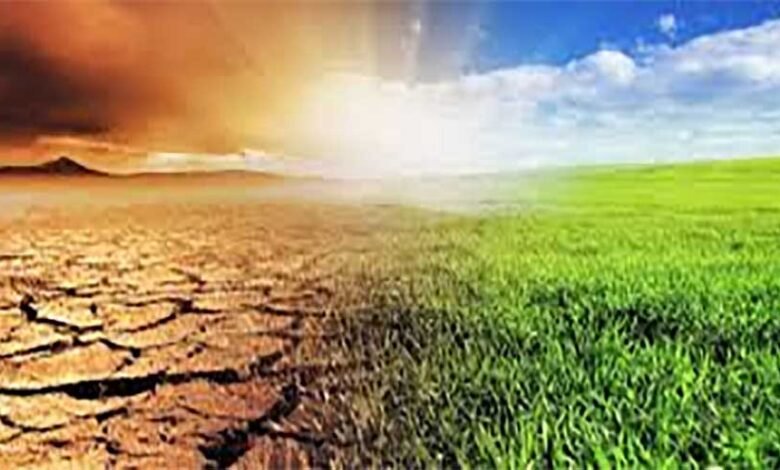
A senior minister emphasised the need to improve water resilience in a climate-stressed region while speaking at an international conference on Saturday, saying that Pakistan’s food security is increasingly threatened by more frequent floods, droughts, and extreme heat that have negatively impacted agricultural productivity and rural livelihoods.
Speaking at the Global Forum for Food and Agriculture (GFFA) 2026 in Berlin, Federal Minister for National Food Security and Research Rana Tanveer Hussain said that Pakistan’s agriculture, which is largely dependent on the Indus Basin for employment and food production, is vulnerable to climate-induced shocks.
“Agricultural productivity, rural livelihoods, and national food security have been severely impacted by climate-induced shocks,” Hussain stated, adding that recent floods and protracted dry spells have shown how urgent it is to move towards water resilience.
The Indus river system, which sustains over 240 million people through agriculture, industry, and ecosystems, is essential to Pakistan’s food system.
According to Hussain, regional stability depends on cooperation over shared water resources, and water security is fundamental to food security.
He highlighted the Indus Waters Treaty as a pillar of regional water stability and reiterated Pakistan’s commitment to international water law while addressing transboundary water concerns. He called the Indus river system a lifeline for Pakistan and urged the international community to support the pact’s full implementation, expressing alarm about India’s April 2025 announcement to unilaterally keep the treaty “in abeyance.”
Regarding domestic policy, Hussain stated that Pakistan was working to increase water productivity through ecosystem-based initiatives like watershed rehabilitation and groundwater recharge, as well as climate-smart farming techniques, drought-and heat-tolerant seed varieties, and high-efficiency irrigation.
According to him, Pakistan is still prepared to collaborate with foreign partners to promote inclusive food systems and climate-smart agriculture, with the goal of converting water from a source of danger into a basis for sustainable growth and peace.