Sindh introduces a digital attendance system to enhance management and supervision of schools.
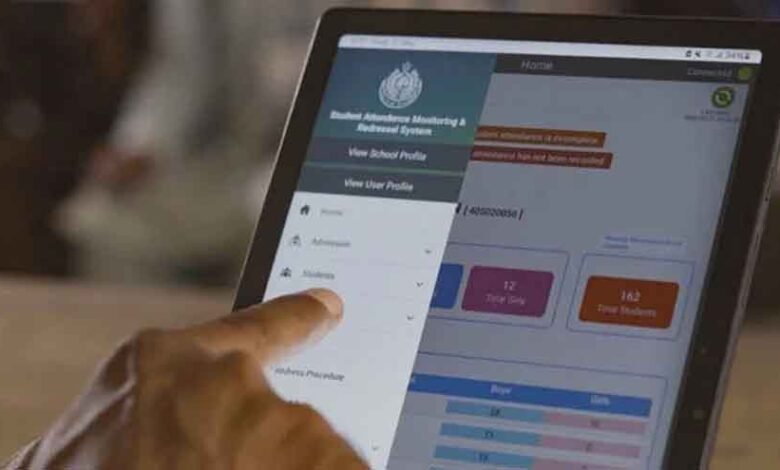
Sindh Chief Minister Syed Murad Ali Shah inaugurated the Student Attendance Monitoring and Redress System (SAMRS) on Thursday, hailing it as a major innovation in Pakistan’s education sector that blends technology and data-driven decision-making into reform efforts.
The chief minister stated at the opening ceremony, which took place at a nearby hotel, that the project is the first complete digital platform in Sindh, and in any other province of Pakistan, that links student attendance to learning outcomes, teacher effectiveness, and school amenities.
He clarified that the new approach would help the province government identify issues that students confront and create prompt solutions by empowering it to make evidence-based policy decisions.
The event was attended by Education Minister Syed Sardar Shah, World Bank Country Director Bolormaa Amgaabazar, senior representatives from Unicef, the Global Partnership for Education (GPE), Asian Development Bank (ADB), the British Council, JICA, and officials from the School Education and Literacy Department (SELD), along with education specialists and development partners.
According to Murad Ali Shah, SAMRS has already been implemented in 600 schools in 12 districts, and with Unicef’s help, it will soon be extended to four more districts. In addition to tracking attendance, the platform is designed to predict student dropouts, provide interventions, and support school administration.
He said that in order to guarantee SAMRS’s sustainability and conformity with Sindh’s educational governance structure, the province government is institutionalising it through a new policy framework. The chief minister recognised the efforts of the School Education Department, Reform Support Unit (RSU), and SELECT Project team for their involvement in the development of the system and thanked the World Bank, GPE, and other partners for their ongoing cooperation.
He also emphasised the importance of tying education to health, nutrition, and child safety, proposing that SAMRS be connected to social protection programs, health evaluations, and child vaccination programs.
In his speech, school Minister Sardar Shah characterised SAMRS as a revolutionary step that informs school administration by integrating infrastructure, performance, and attendance data into a single digital framework. He claimed that in order to guarantee that all children in Sindh are enrolled in the educational system, student identities are now linked to validated B-Form numbers with Nadra’s assistance.
He said that 92% of schools using SAMRS have put remedial measures in place, and 99% of schools have reported attendance—a significant step in the right direction towards lowering dropout rates.
The program was commended by World Bank Country Director Bolormaa Amgaabazar, who pointed out that the Sindh government was responsible for its conception and implementation, underscoring the province’s dedication to enhancing public education.