The Pak-Iran transit corridor is now open.
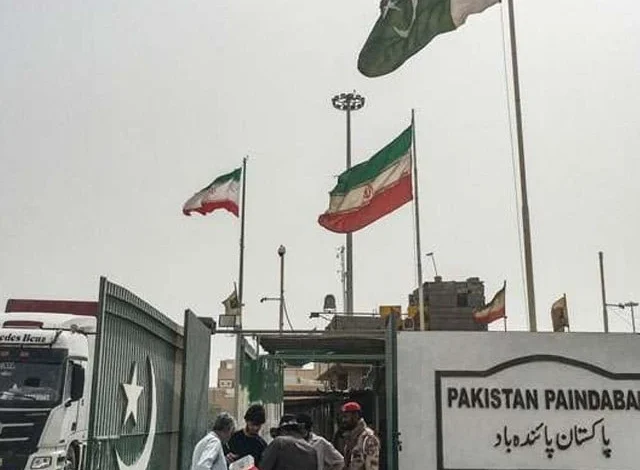
The first export shipment from Pakistan has left the country, and trade activities in the Pakistan-Iran transit corridor have officially begun.
The first consignment, which contained frozen beef, was sent to Tashkent, Uzbekistan, in refrigerated trucks, according to Director Transit Trade Customs Sanaullah Abro. He claimed that the corridor would send goods from Pakistan through Gwadar and Iran to the Central Asian regions.
He further said that making the corridor work would not only speed up Pakistan’s economic progress, but it would also bring more traffic to the country’s ports.
The Directorate of Transit Trade Customs said that the Pakistan-Iran transit corridor has started under the TIR (Transports Internationaux Routiers) system. In this sense, the directorate has made TIR procedures easier and opened up important border crossings including Taftan, Rimdan, Sost, and Gwadar for TIR transit.
The Pakistan-Iran transit corridor is intended to be a big step forward for the country’s trade and transit industries. People are calling this development a strategic win for Pakistan that will likely increase trade and make it easier for people in the region to engage with each other.
Sources stated that the corridor would give Pakistan a different, cheaper way to trade that would make it less dependent on sea channels. It should also cut down on transit time and make logistical expenses much lower. Director General Transit Trade Customs Sanaullah Abro and Director Transit Muhammad Rashid sent off the first shipment at a ceremony planned for this purpose.
In the meantime, there was a lot of anticipation that Pakistan and Iran would be able to start their gas and oil pipeline projects again after the US and Iran talked about peace.
In 2009, the Pakistan Peoples Party (PPP) struck a business deal with Iran. In 2013, Iranian president Mahmoud Ahmadinejad and Pakistan’s former president Asif Ali Zardari opened the gas pipeline project. Iran has finished its part of the pipeline, but Pakistan hasn’t started building its part yet. Officials claim Iran is eager to extend the gas selling agreement for another ten years. However, Pakistan wants to put the project on hold because of US sanctions on Tehran and sluggish demand at home.
Pakistan has looked into a few other options throughout the years. It suggested building a liquefied natural gas (LNG) pipeline to Gwadar with an 80-kilometer extension to the Iranian border as part of a plan. A Chinese corporation wanted to build the pipeline, but sanctions were still a problem.