The Supreme Court reverses the SHC’s ruling to block a citizen’s identification card.
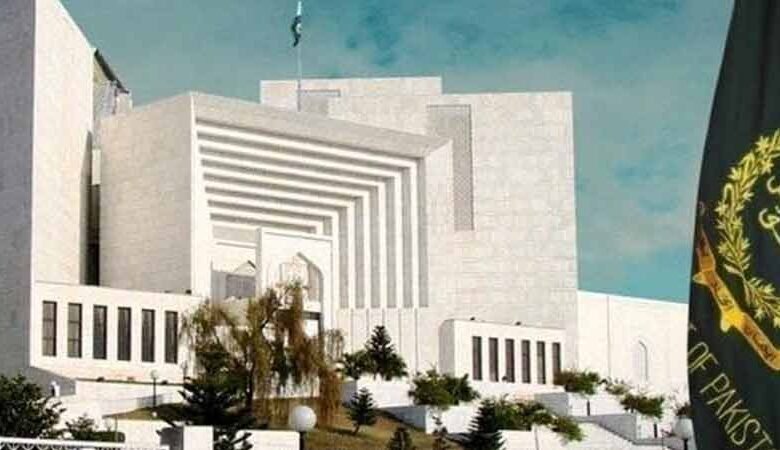
The Sindh High Court’s decision to ban national identity cards was ruled unlawful by Pakistan’s Supreme Court. In a thorough three-page ruling, Supreme Court Justice Muneeb Akhtar said that blocking ID cards is not an effective way to carry out court orders.
The Supreme Court stressed in its decision that a national identity card is an essential requirement for daily living rather than a luxury.
Highlighting the excess of such measures, Justice Muneeb Akhtar questioned whether courts might also order the disconnection of water or electricity connections in order to recover dues.
According to the ruling, denying a citizen their ID card is the same as denying them their fundamental right to life. The province of Sindh is not covered by the revisions made in the Peshawar High Court’s CPC, and Section 51 of the Civil Procedure Code makes no mention of blocking an identity card.
The Supreme Court prohibits caste and conversion classifications in police records and shortens the life sentence to 15 years.
The Supreme Court made it clear that no court can block a citizen’s ID card without specific legal permission.
This decision is related to a case in which a trial court in 2016 ruled against the petitioner for failing to pay dues.
Prior to this, the Sindh High Court had affirmed the trial court’s judgment to block the petitioner’s ID card.
That injunction is now overturned by the Supreme Court’s decision, which upholds citizens’ fundamental rights.