The World Bank says that Pakistan could lose 20% of its GDP by 2050 as a result of climate change.
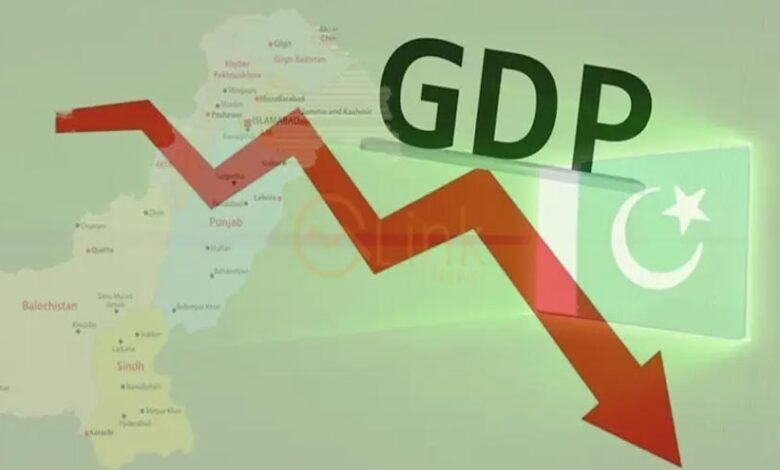
During a session hosted by the Sustainable Development Policy Institute (SDPI) on “Sustainable Development in an Emerging World,” the World Bank Country Director cautioned that Pakistan faces the serious risk of losing almost 20% of its GDP by 2050 as a result of the combined effects of climate change, floods, and air pollution.
According to the official, Pakistan is among the most climate-vulnerable nations in the world, with previous floods having already cost the country $2.9 billion in economic losses and the 2022 floods causing $30 billion in damages. She issued a warning that economic shocks will keep undermining stability and growth unless immediate climate action is taken.
Under its Country Partnership Framework, the World Bank has committed $20 billion to help Pakistan’s climate resilience and development strategy; if reforms continue as planned, this commitment might be extended for another 20 years. In order to draw in international climate investments, the Director asked the federal and provincial governments to enact strict environmental laws, give green funding first priority, and create bankable projects.
She emphasized the human cost of environmental degradation, stating that 40 percent of Pakistani children are malnourished and that human growth is still hampered by a lack of clean air, water, food security, and education.
Maheer Benichi, an IMF representative, also stated that climate-related disasters are making Pakistan’s macroeconomic problems worse. He urged improved public finance management and increased openness, and he announced that Pakistan will get the first tranche of the Resilience and Sustainability Facility by December.
In order to prevent more losses and ensure long-term sustainable growth, experts at the SDPI session stressed that Pakistan has to invest $8–10 billion a year in disaster preparedness and climate adaptation.