Voting in the capital of Somalia is the first step toward reinstating universal suffrage.
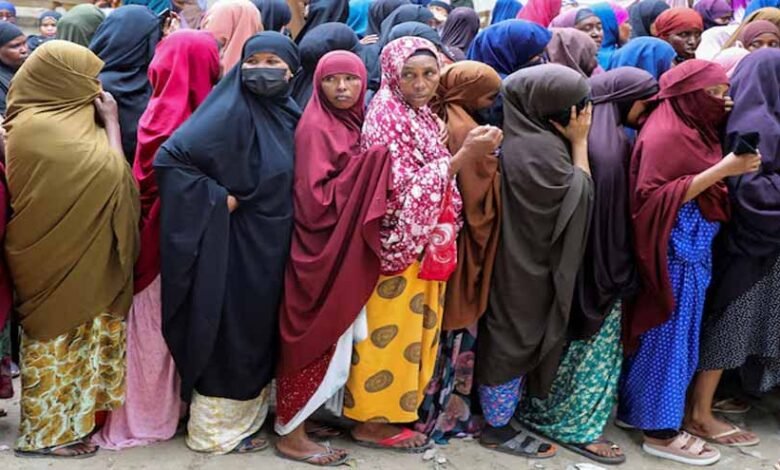
In preparation for the East African nation’s first direct national elections in over 50 years, citizens of Somalia’s capital, Mogadishu, will cast ballots in municipal elections on Thursday.
Somalia last conducted direct elections in 1969, months before military dictator Mohamed Siad Barre overthrew the government in a coup, with the exception of ballots in the breakaway province of Somaliland and the semi-autonomous area of Puntland.
Indirect elections were implemented in 2004 after years of civil war that followed Barre’s overthrow in 1991.
Although some Somalis claim politicians favor indirect elections because they provide opportunities for corruption, the goal was to foster consensus among competing clans in the face of an Islamist insurgency.
The president is chosen by lawmakers, who are chosen by clan representatives. The mayor of Mogadishu has been chosen by the president.
The voting in Mogadishu, a city of around 3 million people where security has improved recently despite ongoing threats by al Shabaab terrorists with ties to al Qaeda, is considered a trial run for national direct elections.
According to Abdishakur Abib Hayir, a member of the National Electoral Commission, over 1,605 candidates are vying on Thursday for 390 seats in Mogadishu’s district councils.
A mayor will then be chosen by the council.
As Hayir told Reuters, “It shows Somalia is standing on its feet and moving forward.” “After the local election, elections can and will take place in the entire country.”
Universal suffrage was reinstated by a 2024 law in advance of the anticipated federal elections in 2019. But in August, President Hassan Sheikh Mohamud struck an agreement with certain opposition leaders that the president would still be chosen by parliament, even if parliamentarians will be directly elected in 2026.
The swift implementation of a new electoral system, according to opposition groups, would improve Mohamud’s chances of winning reelection.
Additionally, given al Shabaab’s control over large portions of the countryside and frequent attacks on key population centers, they wonder if the nation is safe enough for mass voting.