There is a catch to the truce with Kabul.
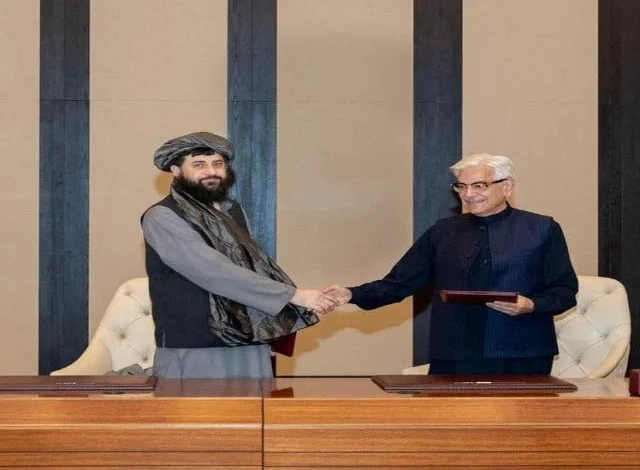
Pakistan may have been happy with the deal made in Istanbul with Afghanistan, with the help of Türkiye and Qatar, but authorities made it clear on Friday that the deal was “interim” and that the ceasefire was not open-ended or unconditional.
According to official sources, the main conditions of the agreement are that Afghanistan must not let its land be used for attacks on Pakistan, and it must take clear, verifiable, and effective action against Fitna al Khwarij (TTP) and other terrorist groups, such as Fitna al Hindustan (BLA).
Sources indicated that “credible evidence of action” is expected, such as breaking up terrorist hideouts, stopping logistical channels, capturing or prosecuting leaders, and clear reporting through a monitoring-and-verification mechanism.
Officials made it clear that if Afghanistan doesn’t provide proof or assaults continue from Afghan soil, it will be seen as a breach of the ceasefire, and Pakistan will do everything it takes to safeguard its sovereignty and population.
Pakistan began this phase in “good faith,” but made it clear that the truce is conditional and that the Afghan side must show that they are responsible.
The sources said, “We want peace, but protecting Pakistan’s territorial integrity is not up for debate.”
In the meantime, Foreign Office spokeswoman Tahir Andrabi gave more information during a briefing after the talks in Istanbul.
He said that Pakistan’s envoy talked to the Afghan Taliban government without giving up their position that Afghan land should not be utilized for terrorism against Pakistan.
The Taliban admitted that the TTP and BLA officials were on their land and gave reasons for why they were still there while real talks were happening on.
The spokesperson said that the monitoring and verification system set up by the mediators will be an unbiased way to keep track of compliance. Written guarantees are still being spoken about, and the next round of talks is set for November 6.
He also said that military and local commanders along the border would look into any possible violations of the truce and take appropriate action. Pakistan has kept several ways to communicate, such as a 24-hour hotline for refugee-related matters. This shows how serious it is about both peace and protecting its land.
He also said that border crossings will not be reopened right away because the scenario does not call for it at this time.
The border between Pakistan and Afghanistan has been closed for about three weeks now.
The sources indicated that the relationship with Afghanistan depends on one thing: how well and forcefully Kabul deals with Pakistan’s real security issues.