Trump justifies the decision on the Iran conflict as oil prices exceed $100.
Oil prices exceeded $100 per barrel for the first time in nearly four years on Sunday due to concerns that the escalating conflict in the Middle East may lead to extended supply interruptions.
Both crude oil benchmarks, West Texas Intermediate (WTI) and Brent, surged by almost 15 percent when markets opened on Sunday evening, reaching levels not observed since the initial months of Russia’s 2022 invasion of Ukraine.
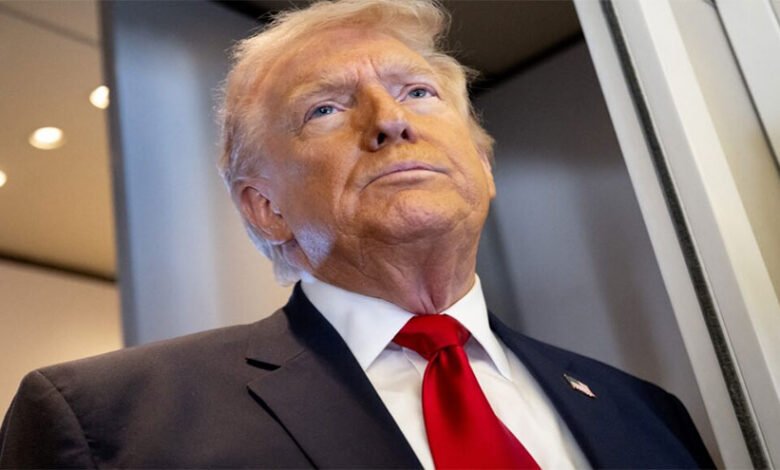
US President Donald Trump, meanwhile, characterized the increase as a “small price to pay” for the eradication of Iran’s nuclear threat, reaffirming the White House’s assertion that the escalation is transient.Short term oil prices, which will drop rapidly when the destruction of the Iran nuclear threat is over, is a very small price to pay for U.S.A., and World, Safety and Peace,” he wrote on social media Sunday evening.
“ONLY FOOLS WOULD THINK DIFFERENTLY!” he argued.
Maritime activity in the Strait of Hormuz, through which 20 percent of world petroleum and gas transits, has nearly ceased since the onset of the war on February 28.
Oil and gas companies in the Gulf have been reducing output, while Israeli assaults on fuel stockpiles in Tehran have heightened concerns for retaliation strikes on the infrastructure of neighboring countries.
Escalating crude prices have resulted in increased fuel costs at gas stations in the United States, a politically sensitive matter as the midterm elections approach in November.NO ENERGY DEFICIT
On Sunday, Trump’s energy chief, Chris Wright, contended that the interruptions would be temporary.In the worst-case scenario, that amounts to several weeks. “That does not equate to months,” the US Energy Secretary stated to CNN.He stated to CBS that they should not increase far above their current levels, as the global oil supply is plenty. “There is no energy deficit throughout the Western Hemisphere.”
He stated that the United States is currently in discussions with maritime corporations keen to evacuate their vessels from the Gulf.Initial tankers will likely require direct protection from the US military to navigate the Strait of Hormuz, he stated, expressing his belief that commerce would normalize “relatively soon.”
According to the US Energy Information Administration, Iran constitutes approximately four percent of global oil production.
Its oil industry is subject to international sanctions but some is still exported, mainly to China, oil industry data shows.
US Treasury Secretary Scott Bessent stated on Friday that the government was contemplating the removal of sanctions on additional Russian oil, following a temporary authorization for India to purchase from Moscow amid rising global oil prices.
The US International Development Finance Corporation announced on Friday the establishment of a reinsurance mechanism amounting to $20 billion to mitigate risks related to travel through the Strait of Hormuz.