As the Middle East turmoil disturbs markets, Pakistan reduces its mango export objective by 30,000 tonnes.
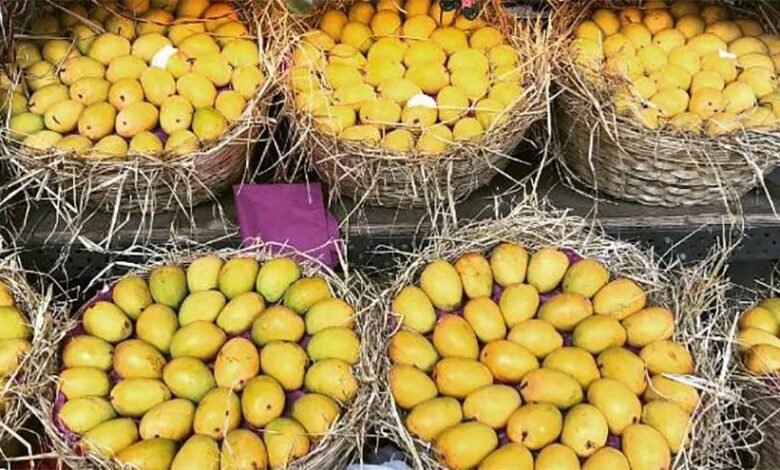
In response to the fact that one of Pakistan’s most lucrative fruit exports is being threatened by conflict-related interruptions across the Middle East, skyrocketing freight costs, and climate-related crop losses, Pakistan’s mango exporters have reduced their export objective for this year by 30,000 tonnes, which is roughly 30 percent.
According to the Pakistan Fruit and Vegetable Exporters, Importers and Merchants Association (PFVA), exporters now anticipate shipping 80,000 tonnes of mangoes this season, which is a decrease from 110,000 tonnes the previous year. Additionally, export earnings are projected to fall to between $75 million and $80 million, which is a decrease from approximately $110 million the previous year.
It was on Sunday that the first shipments of mangoes from Pakistan were sent to markets outside of Pakistan, marking the official beginning of the export season.
There are a number of mango varieties that are native to Pakistan, including Sindhri, Chaunsa, and Anwar Ratol. Pakistan is the fourth largest mango grower in the world. One of the most significant horticultural exports from the country is the fruit, and the Gulf states are the country’s most important trading partners in the international market.
According to a statement released by the Patron-in-Chief of the PFVA, Waheed Ahmed, “the export target has been reduced to 80,000 tonnes from 110,000 tonnes last year.” This decision was made in light of the enormous problems that are currently being faced by the trade.
As a result of tensions involving Iran, Israel, the United States, and the wider Middle East, shipping routes have been disrupted, cargo movements have been delayed, and transportation costs have sharply increased across a region that serves as Pakistan’s most important mango market. This reduction comes at a time when exporters are struggling to deal with the fallout of these tensions.
Approximately 35 percent of Pakistan’s mango exports are destined for the Gulf region. In addition, exporters utilise overland trade routes that pass through Afghanistan, which is Pakistan’s neighbour, in order to access Central Asian markets.
According to Ahmed, exporters have become cautious as a result of the uncertainty surrounding regional crises.
His statement was that the Gulf crisis was the primary cause of this situation.
“Access to Afghanistan is absolutely restricted. There is also a crisis in Iran. In addition, there is a conflict going on in the Middle East.
“We are unable to predict what will take place tomorrow.”
Exporters have reported that the unrest in the region has resulted in a significant increase in the expenses of shipping.
According to the PFVA, the number of dollars charged for sea freight to Gulf destinations increased from approximately $1,200 to $1,400 per container during the previous season to as high as $6,000 to $7,000. The prices of air freight have also increased by more than twofold, reaching approximately two dollars per kilogram.