Engineer Muhammad Ali Mirza obtains bail as the Lahore High Court examines blasphemy accusations.
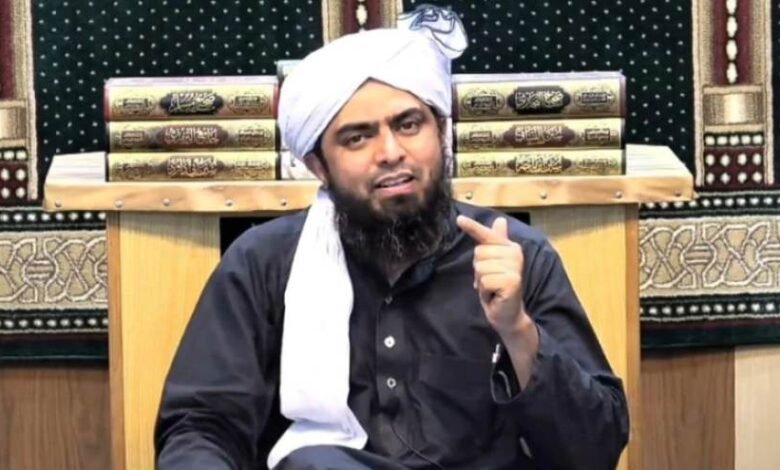
On Wednesday, the Rawalpindi bench of the Lahore High Court granted bail to religious scholar Engineer Muhammad Ali Mirza in a well publicized blasphemy case.
Local media reports indicate that Justice Sadaqat Ali Khan granted bail contingent upon Mirza providing two surety bonds of Rs500,000 each, stipulating that the requisite sureties must be placed prior to the order’s implementation. The conclusion was made after an examination of the record and presentations from both parties.
Engineer Muhammad Ali Mirza has been charged under Section 295-C.
The matter originates from a FIR filed in Jhelum, claiming that a video disseminated on social media includes disparaging comments and a misrepresentation of Quranic texts. The FIR cites Section 295-C of the Pakistan Penal Code, which prescribes the death sentence for blaspheming the name of the Prophet Muhammad (PBUH), and Section 11 of the Prevention of Electronic Crimes Act, which pertains to content that incites sectarian or interfaith animosity.
Mirza was initially apprehended on 26 August and held under Section 3 of the Maintenance of Public Order. The provision authorizes authorities to detain anyone considered a threat to public order. Subsequently, he was transferred to the FIA Cyber Crime Wing when the blasphemy case was registered.
FIA proceedings
At Wednesday’s session, the FIA’s attorney informed the court that a religious edict had been issued against Mirza. Justice Sadaqat Ali Khan instructed the counsel to present any pertinent documents to the trial court, noting that the High Court would limit its focus to matters related to bail. He observed that all evidence, supporting documentation, and any religious viewpoints will be evaluated during the trial phase.
Engineer Ali Mirza has been remanded for seven days in connection with a blasphemy charge.
In September, the FIA secured a seven-day physical remand of Mirza from a district court in Rawalpindi. Senior Civil Judge Waqar Hussain Gondal directed the agency to finalize its investigation and re-present the accused on 19 September. The proceedings garnered more attention owing to Mirza’s extensive online influence and provocative religious discourse.
Mirza has submitted an independent appeal to the Lahore High Court contesting the FIA’s investigation. The case, submitted by Advocate Nabeel Javed Kahlon, contends that the agency forwarded one of his videos to the Punjab Quran Board for a fatwa without providing him with prior notice. The Board is alleged to have deemed him responsible based on an outdated video, despite lacking the jurisdiction to issue religious edicts, as its role is confined to regulating Quran publication standards. The petition seeks the annulment of the fatwa and the cessation of the probe.
Mirza, the director of the Quran-o-Sunnat Research Academy in Jhelum, boasts over 3.14 million YouTube subscribers and a collection over 2,400 recordings. The local authorities have shut down his academy, and security personnel are stationed at both the site and his apartment.