FBR chief urges administrative reforms for better urban development in Pakistan
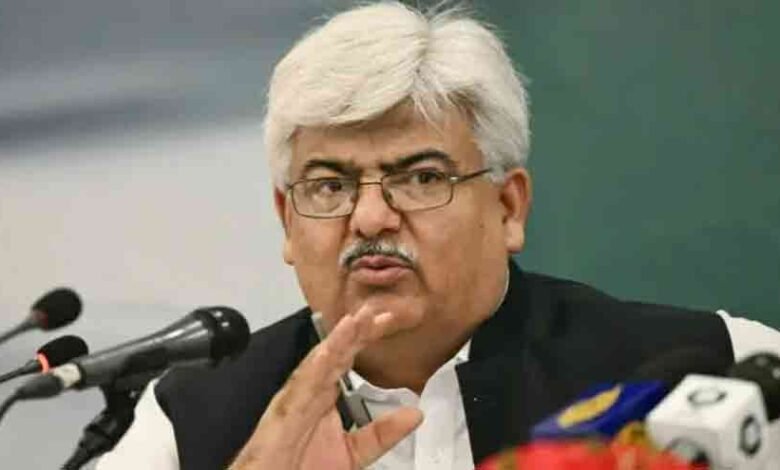
Federal Board of Revenue (FBR) Chairman Rashid Langrial has called for a revamped administrative system to manage Pakistan’s fast-growing cities, saying urban governance must reflect changing demographic and geographic realities.
In a post on social media platform X, Langrial said Pakistan’s urban area had increased by approximately 25 percent over the past 14 years, while the country’s urban population had grown by nearly 60 percent between 2012 and 2026. He highlighted the significant urban expansion of several major cities, noting that the urban footprints of Faisalabad, Multan and Sialkot doubled during this period.
Islamabad and Rawalpindi increased by 1.8 times, while Lahore’s urban area increased by 1.5 times. Karachi’s urban footprint grew by 40%, while Peshawar’s grew by 20%.
The FBR chairman also said that the expansion of the city has connected several neighboring cities. He said Lahore, Gujranwala and Kasur were increasingly integrated into urban development, while Sheikhupura, Muridka and Kamoka also became part of Lahore’s wider urban expansion.
He said that a major urban corridor is being developed along the Grand Trunk Road (GT). Langriyar pointed out that Lahore’s urban footprint currently covers four districts, but there is no single administrative authority to look after the entire city.
He also highlighted Karachi’s fragmented administrative structure, saying governance is divided among about a dozen different land owners.
The FBR chairman further observed that the administration of Punjab’s cities had remained under appointed administrators for nearly a decade.
He stressed that while Pakistan’s cities were expanding rapidly, the government’s administrative structures continued to operate according to outdated geographical boundaries.


