Makkah pact aims to strengthen collective deterrence among Pakistan, Saudi Arabia and Turkiye
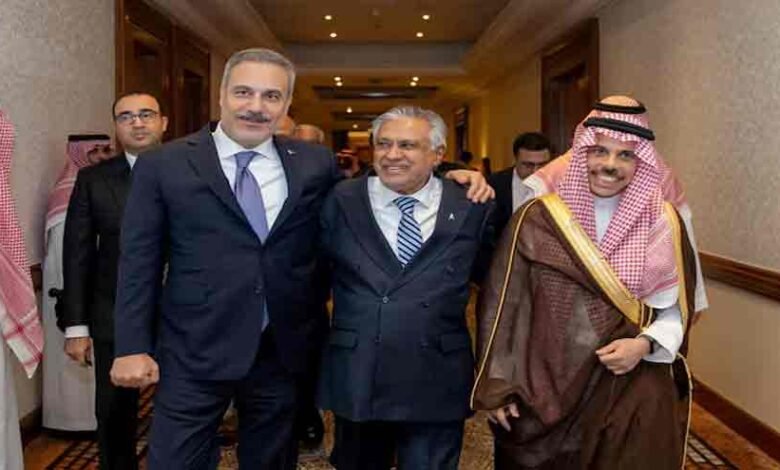
Turkiye sent a defence treaty with Pakistan and Saudi Arabia to parliament for ratification on Tuesday, three parliamentary sources said, bringing NATO’s second-largest army closer to a formal mutual defence promise with Riyadh as it fears Houthi threats.
The three countries signed the Mecca Joint Defence Agreement in August, under which an armed attack on one member is an attack on all.
The first clause of the agreement says the parties shall use “all necessary means” to eradicate threats to each other’s territorial integrity, sovereignty or internationally recognised borders, according to a text seen by Reuters.Article 2 of the agreement states, “If one of the parties is subjected to an armed attack or military aggression by another country or group of countries, the parties shall immediately render assistance to the party which is under attack, with all means of mutual assistance at their disposal.”
Similar to NATO’s Article 5, the clause references Article 51 of the UN Charter, which deals with the individual or collective right of states to self-defence against armed attack.
The same page says the three countries “will determine the scope and nature of the support to be provided following an objective assessment of the assistance required” and will collaborate within their available resources, including military capabilities and resources.
Earlier this month, the three countries decided in an emergency alliance conference in Riyadh to guarantee the “rapid deployment” of military forces and capabilities in Saudi Arabia.
Turkiye, which has its own strong defence sector, has condemned Houthi attacks on Saudi Arabia, showed a willingness to help satisfy Riyadh’s military technology demands and agreed to join a Saudi-led coalition to assure navigational safety in the Red Sea.
The pact also foresees tight cooperation on the defence sector, exchange of information, logistical support, and the fight against “all forms of terrorism”, including at the operational level.
Parliamentary approval is required for Turkiye to formally sign off on the pact.
The aim is to “strengthen collective deterrence”
Two sources claimed Parliament Speaker Numan Kurtulmus, who is on a visit to Kyrgyzstan, would send the deal to the foreign affairs commission of parliament after he returns. The terms and specifics of the agreement are expected to be released when it is filed with the commission.
The commission may discuss the accord as early as Friday, another person added.
Turkiye’s latest move was an important milestone in the institutionalisation of strategic collaboration between the three countries, Burhanettin Duran, communications director for President Tayyip Erdogan, stated.“This strategic partnership between our countries aims to strengthen collective deterrence, improve joint capabilities in the defence sector and secure security and stability in our region,” Duran said in a post on X.
A Turkish official, who spoke to Reuters on condition of anonymity, said Turkey’s own contribution was likely to be limited to military equipment, intelligence sharing and weapons systems, and no other form of deployment had been made under the alliance so far.
“The Mecca Agreement is not a ‘offensive agreement,’ and Turkiye would not send forces to another nation to conduct out operations on its land. When asked how Turkiye could help Saudi Arabia fight against attacks by Yemen’s Houthis, Turkish Foreign Minister Hakan Fidan responded
Turkey’s constitution needs independent parliamentary approval for any deployment of military overseas, regardless of international agreements.