Pakistan and WHO will work together to shield 112 million children from violence.
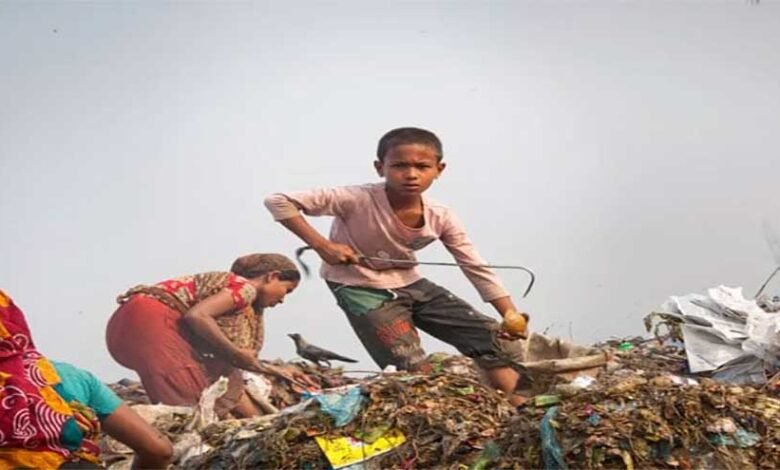
In a joint statement on Saturday, the World Health Organisation (WHO) and Pakistan’s Ministry of Human Rights announced that they had begun consultations to draft a Strategic Action Plan on Violence Against Children, with the goal of enhancing prevention and safeguarding 112 million children nationwide. The declaration claims that children in Pakistan are subjected to a variety of forms of violence, such as physical, sexual, psychological, and violent killing. All provinces and self-governed areas participated in the WHO-Pakistan talks with pertinent partners and experts, which started in Karachi and ended in Islamabad. The INSPIRE framework, an evidence-based package created by ten international agencies led by WHO, and the principles of the Convention on the Rights of the Child will serve as the foundation for the strategy. We understand that dispersed initiatives must now develop into a unified, nationwide, multi-sectoral approach that unites community systems, law enforcement, health, and education. “That cohesive vision, with quantifiable goals, distinct institutional roles, and a strong monitoring and assessment framework, will be provided by the National Strategy on Violence Against Children,” stated Abdul Khalique Shaikh, Federal Secretary, Ministry of Human Rights. More than 12.5 million children in Pakistan are engaged in child labour, and barely one in three children under five are registered at birth, creating additional protection gaps. Children who live in informal or impoverished urban settlements, are displaced, or are migrants are at disproportionately high risk of child labour, trafficking, early marriage, and exploitation. The seven techniques in INSPIRE—which target laws, norms, safe surroundings, carer support, financial stability, response services, and life skills—have continuously decreased violence against children in numerous nations. A worrying public health risk is violence against children. There is more to this strategic action plan than merely a paper. It serves as a road map to shield our kids and grandkids from a global emergency. Millions of children’s lives and futures are at danger due to violence, and consequently, so is our own,” stated Dr. Luo Dapeng, WHO Representative in Pakistan. “WHO is committed to working with Pakistan to create a nation where all children can live in safety and prosperity.” One billion children worldwide are victims of physical, sexual, or emotional abuse every year, which can have long-lasting effects on their physical and mental well-being. Violence claims the life of a kid every five minutes. These fatalities are avoidable. “These meetings represent the start of a concerted effort to create a strategic roadmap in line with the fundamental rights protected by the Pakistani Constitution, the Sustainable Development Goals (SDGs), and Pakistan’s international obligations under important UN human rights treaties,” stated Dr. Muhammad Arif, who is the Pakistani Ministry of Human Rights’ director of international cooperation. “To effectively prevent and respond to violence against children, it is imperative that existing legal and institutional frameworks be strengthened and integrated.”