Sindh declares Tharparkar calamity-hit district as drought destroys crops
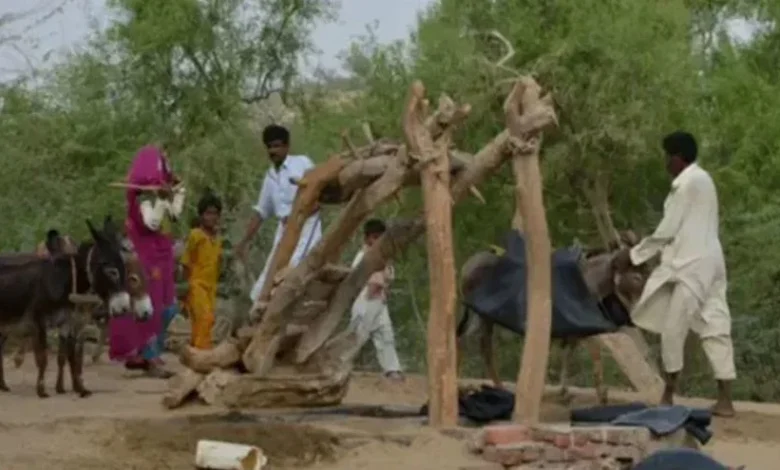
- The Sindh government has decided to declare Tharparkar a disaster-hit area as severe drought conditions have affected all seven districts of the taluk, causing 90 percent crop destruction or failure in the district.
Chief Minister Murad Ali Shah has ordered immediate emergency measures to deal with the worsening situation, with particular focus on drinking water supply, agricultural losses and the impact on livestock. The decision was taken at a meeting presided over by CM Shah where officials apprised him of the severity of the drought and its impact on communities whose livelihood depends on agriculture and animal husbandry.
According to the briefing, all seven talukas of Tharparkar experienced drought-like conditions with 85-90 per cent crops destroyed or losing productivity. The Department of Agricultural Extension estimates the total crop loss at around 90 percent, underscoring the gravity of the situation facing farmers in the region.
Uneven and insufficient rainfall has been recognized as a major factor causing agricultural losses. Officials told the meeting that due to erratic rainfall, crops and natural grass dried up before they matured, further exacerbating hardships for local communities and livestock owners.
Rainfall data released during the meeting highlighted the extent of the problem. In September 2026, seven Tharparkar talukas received between 1mm and 36mm of rainfall, leaving large areas stuck with inadequate water supply.
emergency measures
After the briefing, Murad Ali Shah directed the concerned departments to ensure continuous supply of drinking water to the people of the drought affected areas. He ordered the immediate repair and rehabilitation of idle reverse osmosis (RO) plants to increase access to safe drinking water. Authorities have also been asked to immediately restore all existing water supply sources so that affected communities have access to basic supplies. The Chief Minister stressed the need for immediate intervention and long-term measures to address recurring water problems in the region.
He instructed the Chief Secretary to look into the possibility of laying a water pipeline from Norkot to Miti, a proposal aimed at improving water supply in the region. The Chief Secretary has been asked to evaluate the project and prepare long-term planning to ensure more reliable water supply in the region.
The proposed pipeline is part of a wider effort to improve water supply in Tharparkar, where limited rainfall and depletion of natural resources are putting pressure on existing supplies. livestock support
The impact of the drought on livestock was also highlighted during the meeting where the Chief Minister sought advice on measures to support animals affected by deteriorating conditions.
Natural grass dries out before it matures, increasing the challenges for livestock owners, making animal support another important aspect of relief operations. CM Murad Ali Shah directed officials to assess what assistance can be provided to protect livestock and help communities cope with the effects of prolonged drought.
He also ordered continuous monitoring of relief operations in drought-affected areas to ensure that emergency measures are effectively implemented and reach the needy. The Chief Minister said that the Sindh government would not leave the people of Tharparkar alone in facing the crisis and would extend all possible help to the affected communities.