According to SVC, Pakistan was a crucial intermediary in reducing tensions between the US and Iran.
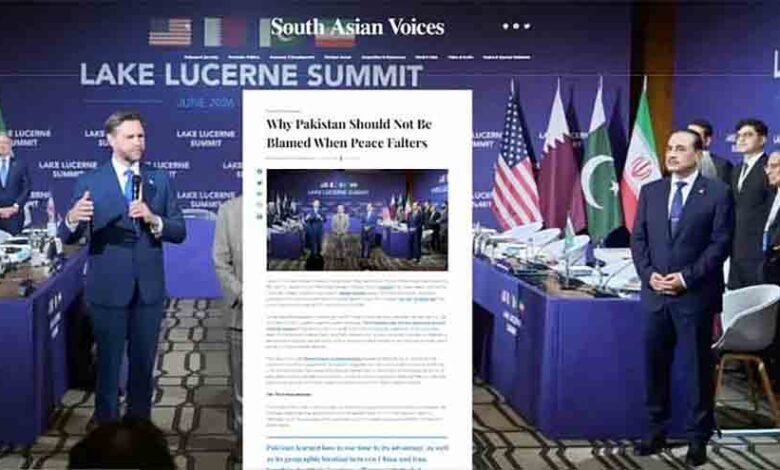
– South Asian Voices (SVC) has acknowledged that Pakistan played an important mediatory role in reducing tensions between the United States and Iran and bringing the two countries to the negotiating table.
In an analytical report, SVC stated that senior officials from the two countries held direct talks in Islamabad, describing them as the highest-level direct contact between the United States and Iran since 1979.
The report said Pakistan facilitated communication between Washington and Tehran at a time when tensions had escalated significantly and both sides had suffered losses.
Pakistan’s geographical position and its relations with both Washington and Tehran gave it a unique position for effective mediation.
According to South Asian Voices, American and Iranian representatives held more than 20 hours of talks in Islamabad.
Pakistan’s diplomatic efforts subsequently helped Washington and Tehran announce a ceasefire and opened the way for direct negotiations.
The analysis described Pakistan’s role as a diplomatic achievement comparable to its role in facilitating then-US Secretary of State Henry Kissinger’s secret visit to China in 1971.
The report noted that major powers, including China, France, Germany, India, and the United Kingdom, were also unable to play a similar diplomatic role.
SVC said the complexities of the US-Iran conflict primarily stem from deep differences between the two countries rather than Pakistan’s mediation. Although both sides continued accusing each other of violating the ceasefire, the negotiating process was not completely abandoned.
The report further suggested that if tensions between the United States and Iran rise again, both sides could once again turn to Islamabad for negotiations
South Asian Voices described Pakistan as a middle power capable of playing an effective mediatory role in international conflicts through its geographical importance, diplomatic access, and the trust of the parties involved.