Judicial commission: Gul Plaza building is still in use despite unsafe situation
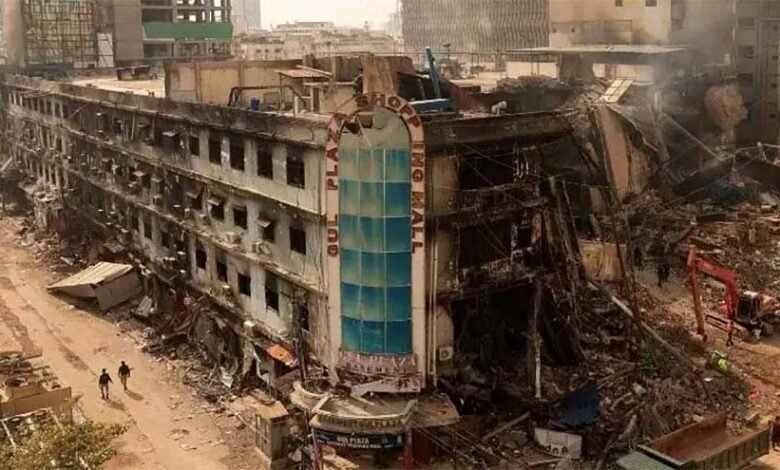
The Gul Plaza Judicial Commission study further shows that the administration of the retail center failed to remedy known defects, and that the plaza building was still being used despite its dangerous condition and in violation of fire safety legislation.
Judicial commission report on Gul Plaza made public The report contained a description of the responsibility of the parties in the disaster, the commission said.
The assessment said the building was in a perilous state and had been in continuous commercial use breaking fire safety standards. Gul Plaza administration has not fixed the known flaws, it said.
Civil Defence studies in 2024 and 2025 noted a shortage of fire safety equipment, flammable items and issues with egress routes.
The study noted there was an exceedingly inappropriate wait in reporting the fire to the fire department. The power interruption significantly limited the prospects of escape from the top floors because of the darkness.
There was a speaker system in the building but it was not used. Gul Plaza’s proposed regularised plan had 1,102 shops while in reality there were 1,153 shops. The shops were crammed with combustible material.
According to the report, the fire brigade was delayed in its arrival in violation of its own response requirements, with effective firefighting beginning about 35 to 40 minutes later.
Shortages and refills of water hampered firefighting and rescue. The fire brigade’s failure to deploy key equipment in a timely manner reduced its prospects of rescuing persons trapped in the building who were accessible.
The report says the absence of efficient water delivery (in the first phase) is a big management problem, while fire stations say they have water reserves.
There was no legal action to rectify the faults identified in the Civil Defence inspections in 2024 and 2025. “And when the courts were triggered in 2025, there was no lawsuit.”
The commission says the failure of civil defence is not ignorance of the threat, but failing to act on a recognised threat.
The study indicated that the district administration did not perform a joint audit of Gul Plaza despite the three-tier fire audit system set up on the directives of the High Court. The Deputy Commissioner, South Office is institutionally liable for non-activation of the audit and monitoring system available.
The report said that the SBCA cannot avoid accountability by presenting for inspection on a complaint. In an unsafe building it could take remedial action under the Sindh Building Control Ordinance.
The SBCA was accountable for inadequate record-keeping and ineffective fire safety monitoring at Gul Plaza.
The report added that Rescue 1122 officials reached the site after the fire erupted but still there was a potential prospect of rescue. Rescue was possible between 11.15 to 11.20 am and several of the victims were also visible.
The ramp was also accessible until 11:30 am. They did not turn the available time into a wide scale rescue mission by Rescue 1122.
The report said that the law provided for periodic inspections of electrical installations and equipment. The electrical inspector said in a statement that Gul Plaza was not subject to a routine electrical examination.
The commission said accountability does not rest with one institution or one government alone. There were legal authorities, an audit system, building control, firefighting and emergency response institutions at different times but this system as a whole was not functioning well.
The investigation revealed that individuals died in Gul Plaza not just due to fire, but also because of delays, darkness, clogged roads and closed windows.
The commission attributed the loss of life on a defective safety system, poor audits, distributed institutional accountability and premature rescue opportunities.