Direct peace negotiations between Israel and Lebanon are a “historic opportunity”: Rubio
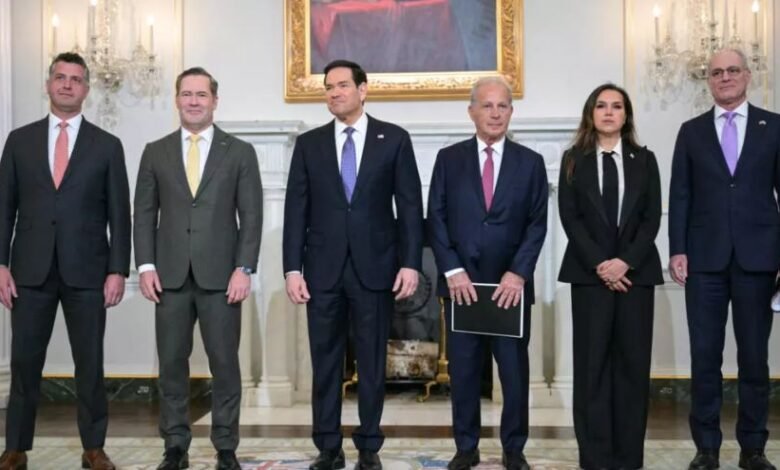
Despite the significant disparities between the two parties, US Secretary of State Marco Rubio sponsored a rare round of bilateral negotiations between Israeli and Lebanese envoys in Washington on Tuesday, calling the gathering a “historic opportunity” to establish the foundation for a sustainable peace.
Israel’s ambassador to the US, Yechiel Leiter, and Lebanon’s envoy, Nada Hamadeh Moawad, met at the State Department for the first time since 1983. The talks signalled a renewed effort by President Donald Trump’s administration to reduce tensions in the region.
According to Rubio, the meeting was the beginning of a lengthier process rather than a one-time occurrence. “This is a momentous occasion. He acknowledged the difficulty of the decades-long hostilities between the two nations, who have technically been at war since 1948, but stated, “The hope today is that we can outline a framework upon which a current and lasting peace can be developed.”
Following a precarious ceasefire including the US, Israel, and Iran, the meeting takes place at a pivotal point in the larger Middle East crisis. Following US-Israeli assaults on Iran on February 28, the war worsened, disrupting world oil supply and escalating diplomatic efforts to stop further escalation.
But the agendas of the Israeli and Lebanese sides were very different when they started the negotiations. Lebanon is calling for an immediate ceasefire, but Israel has refused to talk about ending hostilities and is insisting that Hezbollah disarm before reaching a more comprehensive deal.
Joseph Aoun, the president of Lebanon, expressed his hope that the Washington summit would be “the beginning of ending the suffering of the Lebanese people,” especially in the south of the country. According to Lebanese officials, Moawad was only authorised to negotiate a ceasefire during the negotiations.
Israeli Foreign Minister Gideon Saar stated that talks would center on destroying Hezbollah’s military capabilities, which he said are crucial for Lebanon’s sovereignty and Israel’s security. He emphasised that disarmament must come before any accord, saying, “We want to reach peace and normalisation with the state of Lebanon.”
In a same vein, Israeli Prime Minister Benjamin Netanyahu has demanded that Hezbollah’s weapons be taken away and that a lasting peace agreement “last for generations” be reached.
The Iran-aligned organization at the heart of the crisis, Hezbollah, categorically rejected the negotiations, calling them “futile,” and threatened to continue resisting. As the Washington summit was taking place, the Israeli military stated that it anticipated further assaults on northern Israel.
After Hezbollah started attacks in favour of Tehran on March 2, fighting escalated and Lebanon became more involved in the regional conflict. Since then, more than 2,000 people have died and about 1.2 million have been displaced due to Israeli strikes, including massive shelling of Beirut’s southern suburbs, according to Lebanese authorities.