In April, Pakistan’s inflation rate reached a two-year high of 10.9%.
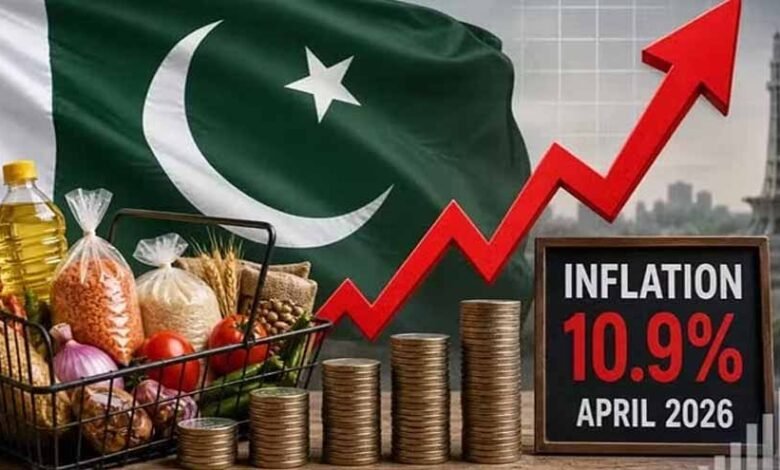
In April, soaring fuel costs, shocks to the world’s supply, and increased taxes on petroleum goods caused Pakistan’s inflation to soar to a nearly two-year high of 10.9%.
The Pakistan Bureau of Statistics reports that this is the first time since July 2024 that inflation has surpassed the government’s previous prediction of 9%. Both urban and rural communities have been affected by the hike, with price increases observed in the food, transportation, and energy sectors.
The increase is mostly related to rising gasoline prices around the world as a result of geopolitical tensions between Iran, Israel, and the United States. The price of petroleum products in Pakistan has increased as a result of the sharp increase in Brent crude prices.
Inflation has been significantly influenced by fuel prices. Diesel prices rose by up to 93%, while motor fuel costs rose by 40% annually. Additionally, the government maintained a high duty on petrol and reinstated a levy on diesel, driving up costs even more.
The cost of energy has also increased significantly; compared to the previous year, the price of electricity has increased by 33% and that of liquefied hydrocarbons by 63%. In general, energy inflation was 13.6% in rural and 13.8% in urban areas.
Additionally, food inflation increased, reaching 7.3% in rural areas and 6.9% in urban areas. Important foods like tomatoes (75%), onions (42%), and wheat and flour (around 30–40%) witnessed high rises. Additionally, transportation expenses increased by almost 38%, placing additional strain on households.
Officials now anticipate that the government’s 7.5% annual inflation target may be missed as a result of ongoing fuel price hikes.
In the meantime, Pakistan has been requested to increase financial assistance through the Benazir Income Support Program as part of its International Monetary Fund program. In order to lessen the impact of rising costs on low-income households, it is anticipated that the number of beneficiaries will increase to 10.2 million.
Economists caution that inflationary pressure may continue in the upcoming months due to the continued volatility of energy and fuel prices.