Pakistan, Russia sign deal to boost cooperation against illegal immigration
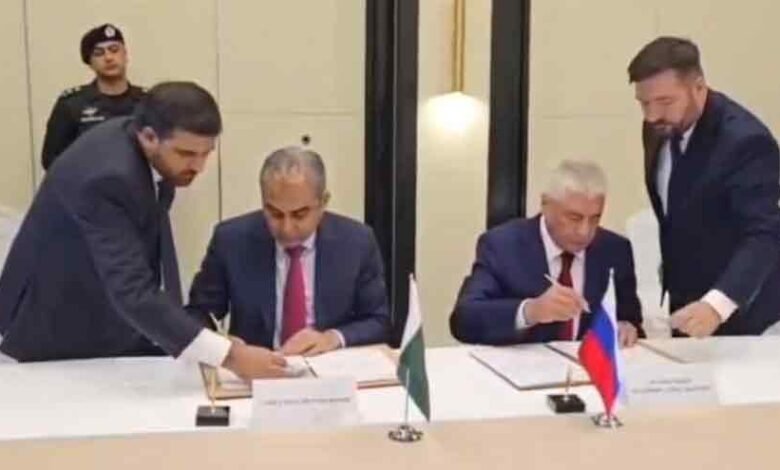
Pakistan and Russia struck an agreement to boost cooperation for stopping illegal immigration during a meeting on the sidelines of the Shanghai Cooperation Organization (SCO) meeting in Kyrgyzstan.
Interior Minister Mohsin Naqvi separately met with the interior ministers of Russia, Tajikistan, Uzbekistan, Kyrgyzstan and Kazakhstan and discussed subjects of mutual concern, regional security and cooperation.
In a meeting with Russian Interior Minister Vladimir Kolokoltsev, both sides inked crucial agreements to improve collaboration in tackling illegal immigration. The two countries also agreed to enhance cooperation for repatriation of citizens illegally residing in any country. It was also agreed to broaden collaborative efforts against narcotics and drug-trafficking.
In another meeting, this time with Tajik Interior Minister Ramazon Rahimzoda, the talk centred on terrorist camps operating within Afghanistan. The two ministers agreed that terrorist camps and the manufacture of narcotics in Afghanistan were important security problems in the region. They emphasised that there are terrorist groups operating in Afghanistan.
Mohsin Naqvi also called on Uzbekistan’s Interior Minister Major General Aziz Tashpulatov. Discussions touched on cooperation between law enforcement agencies and the possibilities for collaborative training programs. Both sides agreed to set up a working group to boost cooperation between their interior ministries.
During talks with Kyrgyz Interior Minister Niyazbek Olan Omokanov, the two officials agreed to boost cooperation in areas of mutual interest. Naqvi congratulated Kyrgyzstan on its election as a non-permanent member of the United Nations Security Council and praised the host country for hosting the SCO interior ministers’ meeting.
During his discussion with Kazakhstan’s Interior Minister Yerzhan Sadenov, all sides agreed to boost cooperation to combat illegal immigration. The two countries also agreed to set up a working group between their interior ministries to move forward bilateral cooperation.
The sessions were a reflection of a common resolve among regional partners to foster stronger collaboration on security, migration management and measures to combat drug-related criminality.