Saudi Arabia gives Pakistan $1 billion as the second installment of a $3 billion deposit.
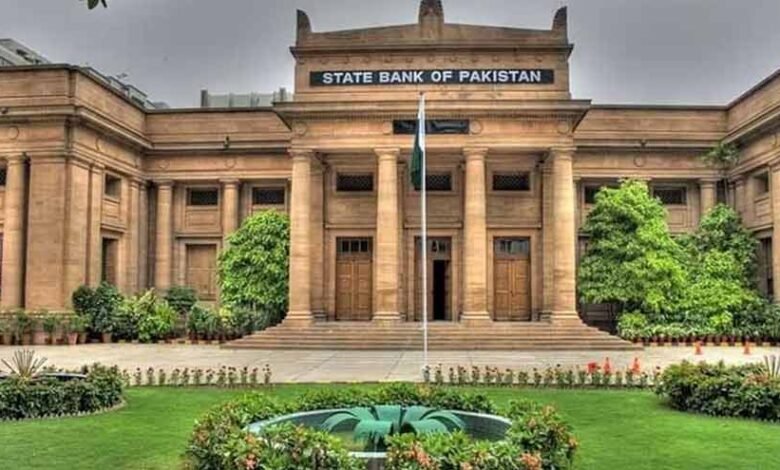
The State Bank of Pakistan (SBP) announced on Tuesday that the nation has received $1 billion from Saudi Arabia, which is the second installment of a $3 billion deposit package that was previously agreed upon.
“The State Bank of Pakistan has received US$1 billion from the Ministry of Finance, Kingdom of Saudi Arabia, with a value date of 20 April 2026,” the central bank stated.
According to the SBP, this sum is the second installment of the $3 billion deposit facility that was recently reached with Saudi Arabia. Last week, the first $2 billion tranche was received.
This comes after Prime Minister Shehbaz Sharif visited Saudi Arabia with the intention of bolstering diplomatic ties and advancing Middle East peace initiatives.
Saudi Arabia already extended its current $5 billion facility for an extra three years and promised an additional $3 billion in deposits for Pakistan.
Pakistan’s foreign exchange reserves are under pressure as it is scheduled to repay a $3.5 billion loan to the United Arab Emirates this month, which raises questions about the goals of the IMF program.
Rising global oil prices and regional economic uncertainty associated with Middle East tensions continue to put pressure on the country’s foreign account status.
According to official figures, Pakistan’s foreign exchange reserves as of March 27 were $16.4 billion, which is sufficient to finance imports for over three months. However, external financial conditions have become much more stringent due to the impending debt to the UAE.
Concerns regarding short-term finance requirements increased earlier in March when Pakistan failed to reach an agreement with the UAE to roll over the $3.5 billion facility—the first such failure in seven years.
Pakistan’s foreign sector continues to be a part of larger stabilization initiatives under the IMF-backed reform program in spite of these difficulties. External finance concerns are still seen by analysts as a major vulnerability, especially in light of the tight international financial conditions and shifting global energy prices.