Prime Minister advocates for expedited digitalisation of the licensing procedure for investors.
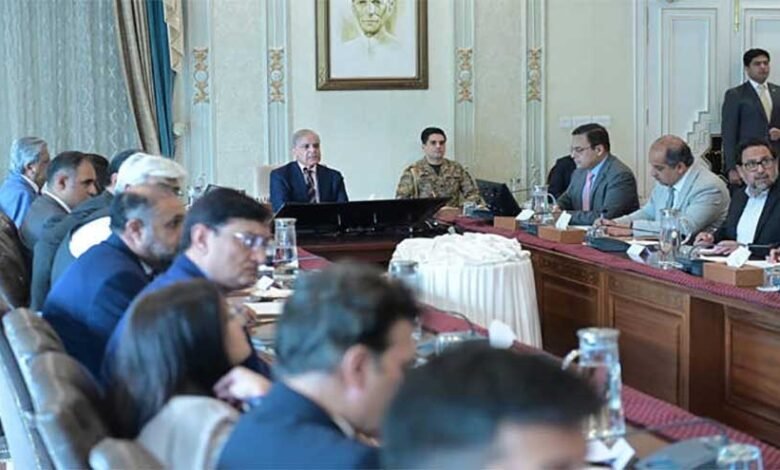
On Tuesday, Prime Minister Shehbaz Sharif instructed authorities to expedite the digitisation of the licensing process for investors, according to a statement from his office, as Pakistan aims to reduce bureaucratic obstacles and promote investment in the nation.
Sharif presided over a review meeting focused on enhancing investment in the country. In recent years, Pakistan has pursued sustainable economic growth, with Sharif’s administration emphasising the necessity of augmenting foreign investment and boosting exports instead of depending on remittances and loans to fortify the economy.
Sharif instructed staff to streamline regulatory compliance processes and enhance cost-effectiveness to encourage investment, according to the PMO.
The Prime Minister’s Office stated that “the relationship between the government and investors should be enhanced, and the speed of digitisation for access to licensing and other services should be expedited,” regarding Sharif’s directions.
Participants were informed that the proportion of special economic zones (SEZs) in domestic exports in Pakistan from July to March of the current fiscal year was 3.7 percent.
The prime minister was informed that the government aims to elevate the proportion of SEZs in domestic exports to 8 percent by the fiscal year 2028.
The Prime Minister’s Office stated, “A business-ready action plan for promoting investment is being developed in collaboration with the provinces.”
Participants were informed that the government is digitising its services to streamline the acquisition of approvals for investors and entrepreneurs, for which the Pakistan Regulatory Registry is being built.
The Prime Minister’s Office stated, “There are presently 21 operational special economic zones in the country, and this figure is projected to increase to 26 by June 2026.”
In 2023, Pakistan established the Special Investment Facilitation Council to entice foreign investment in critical industries including agriculture, livestock, mining and minerals, tourism, among others.
In 2023, Pakistan averted a sovereign default by obtaining a last-minute financial bailout from the International Monetary Fund. Since then, the administration has sought to consolidate its economic achievements by augmenting exports, implementing fiscal changes required by the global lender, and enhancing regional trade and investment alliances.