The Steel Complex delegation and the minister talk about the tariff system.
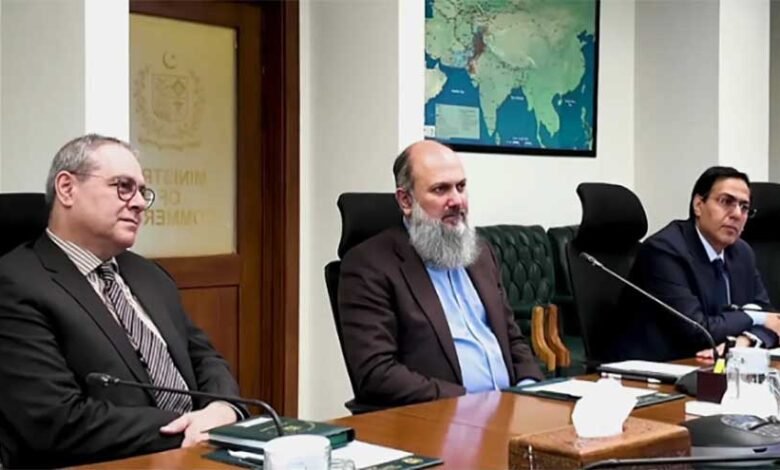
Federal Minister for Commerce Jam Kamal Khan met with a delegation from National Steel Complex Limited to discuss issues pertaining to value-added manufacturing, tariff reduction, industrial competitiveness, and operational concerns facing the steel and engineering sectors.
According to a statement released here on Monday, the delegation briefed the minister on issues related to the current duty system that applies to raw materials, intermediate goods, and products processed through Export Processing Zones (EPZs) during the meeting.
Representatives clarified that industries that imported raw materials into the tariff area had to pay customs taxes at the time of import, and that extra duties were levied when processed or value-added goods were returned to the tariff area from EPZs.
The delegation told the minister that the current system essentially led to double taxation on industrial goods and raised production costs, especially for businesses engaged in value-added industrial activities including machining, lining, coating, and fabrication.
They suggested that rather than the entire worth of the final product, duties should only be applied to the additional value generated within the EPZ.
The technical difficulties associated with classifying processed goods, determining value addition during industrial processing, and customs valuation were also emphasized by the attendees.
They underlined the necessity of clear and useful procedures to support real industrial activity while guaranteeing regulatory compliance.
It was made clear throughout the discussion that NTC mainly serves as a technical organization on tariff-related issues, offering advice and analysis on trade remedy measures and tariff structures.
In order to shield domestic manufacturers from unfair trade practices by foreign exporters, the Commission is in charge of enacting trade protection measures.
Customs valuation, industrial costing, regulatory enforcement, and sector-specific compliance are all under the purview of the competent authorities, including the Ministry of Industries, FBR, and other relevant regulatory agencies.
The group also informed the Minister about the difficulties long-term industrial projects confront as a result of shifting economic conditions, fluctuating tariff structures, and growing energy costs.