As Trump commends Field Marshal Asim Munir, US-Iran negotiations may return to Pakistan.
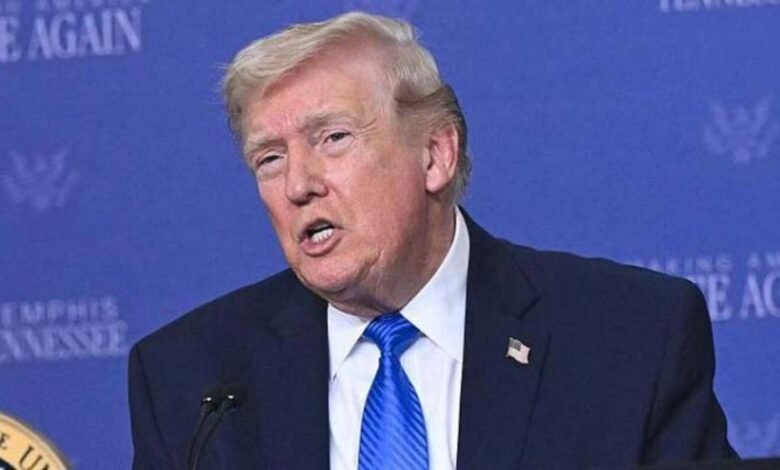
According to US President Donald Trump, diplomatic negotiations between the US and Iran may begin in the next two days. This suggests that Pakistan is becoming a strong contender to host the next round of talks.
According to the New York Post, the comments were made in the midst of continuing diplomatic attempts by several regional players to maintain momentum in the precarious dialogue process.
Following earlier high-level talks in the Pakistani capital over the weekend, Trump’s remarks also suggested a potential continuation of engagement in Islamabad.
Backchannel diplomacy is still being used, and neither Washington nor Tehran have officially confirmed the next location, so the situation is still unstable.
Pakistan’s role
Trump claims that talks may soon resume, with Pakistan being considered as the ideal site for the next stage of talks. He implied that there was a greater chance of going back to Pakistan than to other places, attributing the inclination to Pakistan’s present military government.
Field Marshal Asim Munir was particularly commended by Trump, who used strong language to describe him and said that his work had improved the diplomatic atmosphere around the negotiations.
Trump was cited as stating, “You should stay there, really, because something could be happening over the next two days, and we’re more inclined to go there.” He also stated that the US was “more inclined” to go back to Pakistan for additional involvement. “It’s more likely… because the Field Marshal [Asim Munir] is doing a great job,” he added. We’re more inclined to return there since he’s amazing.
“Why should we go to some country that has nothing to do with it?” he asked, casting doubt on the viability of holding discussions elsewhere. The comments highlight Washington’s view of Pakistan as a venue for further discussion rather than as a direct participant in the talks.
Islamabad discusses
Trump’s remarks come after reports that, following a series of discussions previously held in the Pakistani capital, US and Iranian negotiating teams may meet again in Islamabad later this week. Over the weekend, Pakistan hosted direct negotiations between the United States and Iran, which have been characterised as the greatest level of interaction between the two countries since 1979. Officials said there was no breakdown in the process, but delegations from both nations left Islamabad on Sunday after talks ended without a final agreement.
After the first round, the sides continued to communicate diplomatically, according to sources quoted in earlier reports. According to reports, Pakistani officials were working with Washington and Tehran to decide on a potential follow-up meeting time. Iran has replied favourably to the idea of a second round, indicating willingness to further engagement, according to a senior government official.
Diplomatic initiatives
According to authorities with knowledge of backchannel communications, intermediaries were aggressively trying to get both parties back to the bargaining table on Monday, with Pakistan serving as a key facilitator. Other regional partners, including as Egypt and Turkiye, have allegedly backed the initiative, helping to keep the momentum of the conversation going and stop further escalation.
Maintaining the current ceasefire framework while more extensive talks take place has been characterised as the immediate diplomatic priority. The importance of continued involvement has been explicitly highlighted by Pakistani leadership. At a federal cabinet meeting, Prime Minister Shehbaz Sharif stated that “full efforts” were being made to help resolve the lingering tensions, pointing out that the truce was still in effect as behind-the-scenes talks continued.
President Zardari is briefed by PM Shehbaz on US-Iran negotiations.
Additionally, Sharif affirmed that diplomatic outreach would continue, including consultation with high-ranking officials regarding forthcoming foreign visits intended to bolster regional peace initiatives. According to a separate statement from the President’s Office, he updated President Asif Ali Zardari on recent events, such as scheduled trips to Saudi Arabia and Turkey as well as the wider range of talks between Iran and the United States.
With diplomatic channels still open, the focus is now on whether Islamabad will host the next round of negotiations in the coming days, as the US President has indicated, and whether regional mediation efforts can help sustain momentum in one of the most closely watched diplomatic engagements in recent years.