Pakistan experiences a concerning increase in HIV/AIDS cases, prompting professional apprehension.
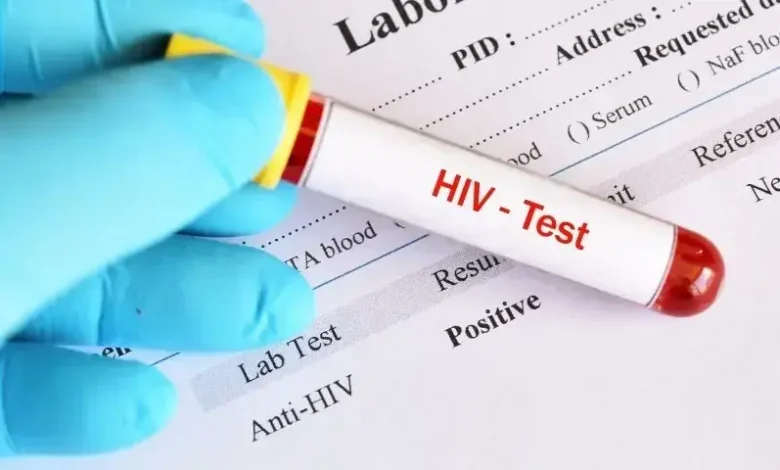
Pakistan is experiencing a significant increase in HIV/AIDS cases, prompting health professionals to voice grave concerns regarding the escalating number of infections nationwide.
Nationwide, a total of 108,400 HIV/AIDS cases have been documented. Punjab holds the highest incidence of instances, succeeded by Khyber Pakhtunkhwa and Sindh.
In Punjab, almost 45,000 individuals are infected with the virus. Lahore leads with over 10,000 recorded cases, followed by Faisalabad with over 5,000 and Multan with over 3,000. Sargodha and Gujrat each record over 2,800 cases, whilst Nankana Sahib has documented more than 2,000 cases.
Khyber Pakhtunkhwa has documented 39,702 cases, with 1,276 reported in the current year alone. Peshawar has 1,877 instances, but Bannu has documented 988. Cases have also been identified in the districts of Mardan, Charsadda, Swabi, and Nowshera.
Sindh ranked third, with 15,639 persons diagnosed with HIV. In the initial three months of the current year, 894 new instances were documented in the province, comprising 332 males, 204 women, 29 transgender individuals, and 329 children. Karachi, being the nation’s largest urban center, consistently reports a substantial number of instances.
Balochistan has documented a total of 3,303 instances, comprising 707 women and 90 transgender persons. Quetta reports the greatest incidence with 2,614 instances, succeeded by Turbat (368), Hub (159), Loralai (96), and Nasirabad (66).
The federal capital, Islamabad, has documented 4,756 cases, comprising 3,432 men, 805 women, 422 transgender individuals, 67 boys, and 30 girls.
Health experts caution that the true number of infections may surpass 350,000, as some persons remain oblivious to their ailment due to the lack of early signs.
The increase in infections is mostly attributed to the reuse of infected syringes, hazardous blood transfusion practices, inadequate healthcare facilities, and the utilization of unsterilized equipment for procedures like ear and nose piercing.
Experts advocate for immediate awareness campaigns, enhanced screening, and more stringent health laws to mitigate the proliferation of the disease, which they characterize as a “silent and perilous threat.”